


































































EM 385-1-1 40 Hour Training
- Supports compliance with the updated EM 385-1-1 (2024) standards required for USACE construction projects
- Designed for construction workers, supervisors, contractors, and safety professionals
- Required training for undertaking construction projects on U.S. military sites
- Available in:
English |
Español - Learn at your own pace and on your own schedule with an internet connection
- Receive your certificate instantly upon course completion
- Select from SCORM-compliant, online streaming, virtual instructor-led, or in-person learning formats
4.0
Bulk Buying
| Employee | Per Seat |
|---|---|
| 2-10 | $198.00 |
| 11-20 | $196.00 |
| 21-50 | $194.00 |
| 51-100 | $190.00 |
| 101-250 | $186.00 |
- Define the role, responsibilities, and limitations of an Authorized Gas Tester (AGT).
- Apply safe systems of work and integrate gas testing within permit-to-work systems.
- Identify work activities and environments that require atmospheric testing.
- Explain the behavior of gases and vapors and how they create atmospheric hazards.
- Evaluate flammable and explosive atmospheres using LEL principles.
- Assess toxic atmospheres and apply appropriate exposure control measures.
- Apply basic toxicology and dose–response principles to gas exposure scenarios.
- Conduct risk assessments specific to gas testing activities.
- Select and use appropriate personal protective equipment (PPE) for gas-related hazards.
- Select and use appropriate respiratory protective equipment (RPE) based on exposure risks.
- Explain the principles and limitations of atmospheric monitoring equipment.
- Select appropriate gas detection instruments for specific applications.
- Perform calibration and bump testing of gas detection instruments.
- Conduct operational and pre-use checks on portable gas detectors, including 4-gas meters.
- Perform gas testing for hot work activities and interpret results.
- Perform gas testing for confined space entry and continuous monitoring.
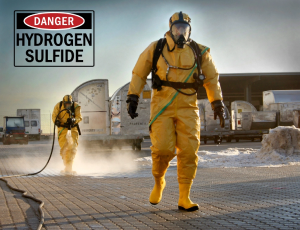
- Assess and manage hydrogen sulfide (H₂S) hazards during gas testing.
- Interpret gas readings and recognize abnormal conditions and trends.
Frequently Asked Questions
This EM 385-1-1 Training course is vital because:
- It provides full compliance with USACE and DoD site-specific safety standards for military and government construction contracts, effective March 2024.
- It provides essential initial certification for key personnel like contractors, supervisors, and safety personnel, and it especially qualifies SSHOs.
- It educates learners on hazard recognition, regulatory compliance, and managing safety programs such as AHAs, APPs, PPE, and fall protection.
The U.S. Federal Government and its agencies do not officially approve or endorse any EM 385-1-1 training courses. Therefore, no course provider can offer a certificate with formal government approval.
The requirement is that any individual on a federal or military construction site must receive education that meets specific safety standards aligned with the occupational health and safety manual EM 385-1-1. Upon successfully completing this course, you will receive a Certificate of Completion issued by the HAZWOPER OSHA Training LLC.
This online course is developed for individuals in the following roles.
- Contractors and subcontractors involved in construction, demolition, environmental remediation, and service contracts under military or federal agencies.
- Site Safety and Health Officers (SSHOs) are responsible for implementing and managing site-specific safety programs in accordance with EM 385-1-1.
- Construction managers, foremen, and supervisors who oversee workers and ensure project safety compliance.
- Government and military personnel involved in project oversight, safety enforcement, or contract administration on USACE job sites.
- Quality control managers, project engineers, and safety consultants who must interpret and apply EM 385-1-1 requirements in field operations.
Certificate of Completion: Yes, you will receive it immediately after passing the final exam. You can download, save, or print your certificate in PDF format.
Validity: Yes, the course certificate expires within one year.
Renewal: Simply take this same course before the expiry date on your certificate to maintain compliance and stay current on occupational health and safety best practices at military construction sites.
EM 385-1-1 Training Course Syllabus
This EM 38-1-1 Training Course consists of 23 modules with 122 lessons. Students are required to take each lesson in sequential order as listed below.
Introduction
Module 1: Introduction to EM 385-1-1 and Safety Culture
- Lesson 1: Overview of EM 385-1-1 and Its Purpose
- Lesson 2: SOH Program Management for USACE Personnel
- Lesson 3: SOH Program Management for Contractors
Module 2: EM 385-1-1 Chapter 1 and 2 - Safety and Health Program Management
- Lesson 4: Developing a Site-Specific Safety & Occupational Health (SOH) Plan
- Lesson 5: Site Safety and Health Officer (SSHO) and Personnel Requirements
- Lesson 6: Safety and Occupational Health (SOH) Communication
- Lesson 7: Risk Management
- Lesson 8: Inspections and Observations
- Lesson 9: Pre-Job Briefing and Early Reporting
- Lesson 10: OSHA Inspection Procedures
- Lesson 11: Reporting and Incident Investigation
- Lesson 12: OSHA 300 Recordkeeping and Reporting
Module 3: EM 385-1-1 Chapter 3 - Sanitation, Medical, and First Aid Requirements
- Lesson 13: Medical and First Aid Requirements
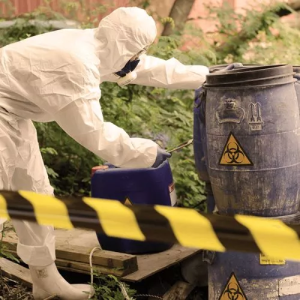
- Lesson 14: Bloodborne Pathogen Disease Awareness
- Lesson 15: Vector-Borne Disease Awareness
- Lesson 16: Field Sanitation and Hygiene
Module 4: EM 385-1-1 Chapter 4 - Temporary Facilities and Site Conditions
- Lesson 17: Temporary Facilities on Military Construction Sites
- Lesson 18: Access and Haul Road Requirements for Temporary Facilities
Module 5: EM 385-1-1 Chapter 5 - Personal Protective and Lifesaving Equipment
- Lesson 19: Fundamentals of a PPE Program
- Lesson 20: Respiratory Protection
- Lesson 21: Particulate Filtering Facepiece Respirators
- Lesson 22: PPE for the Head, Eyes, Face, and Ears
- Lesson 23: PPE for the Hands, Feet, and Body
- Lesson 24: Chemical Protective Clothing
- Lesson 25: Electrical Protective Equipment
Module 6: EM 385-1-1 Chapter 6 and 36 - Hazardous Materials
- Lesson 26: Understanding the Risks-Health Hazards in Construction
- Lesson 27: Introduction to Hazard Communication
- Lesson 28: Hazard Classification
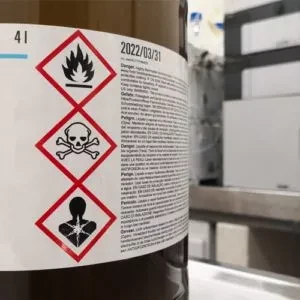
- Lesson 29: Chemical Labels and Safety Data Sheet
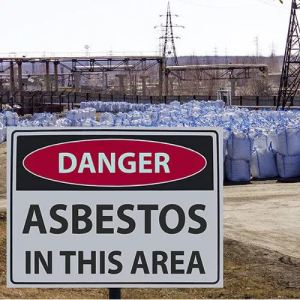
- Lesson 30: Asbestos Awareness
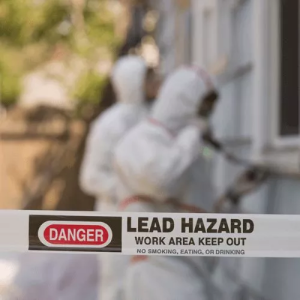
- Lesson 31: Understanding Lead Hazards
- Lesson 32: Hazards of Crystalline Silica Exposure
- Lesson 33: Hexavalent Chromium Awareness
- Lesson 34: Corrosive Safety
- Lesson 35: Air Quality Management and Carbon Monoxide Awareness
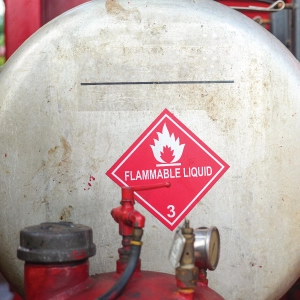
- Lesson 36: Flammable and Combustible Liquids
- Lesson 37: Noise Control and Hearing Conservation
- Lesson 38: Hazardous Waste Operations and Emergency Response
Module 7: EM 385-1-1 Chapter 7 and 8 - Site Lighting, Signage, and Traffic Control
- Lesson 39: Standards for Worksite Lighting and Visibility
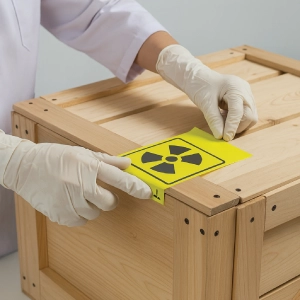
- Lesson 40: Accident Prevention Signs, Tags, Labels, and Signals
Module 8: EM 385-1-1 Chapter 9 - Fire Prevention and Protection
- Lesson 41: Significance of Fire Safety
- Lesson 42: Identifying Fire Hazards on Federal and Military Construction Sites
- Lesson 43: Fire Prevention
- Lesson 44: Fire Protection
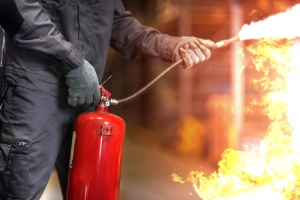
- Lesson 45: Fire Suppression Equipment and Systems
- Lesson 46: Emergency Action Plans
Module 9: EM 385-1-1 Chapter 10 – Welding, Cutting, and Brazing Safety
- Lesson 47: Hot Work for Construction
- Lesson 48: Welding, Cutting, and Brazing Safety Awareness
- Lesson 49: Compressed Gas Cylinder Safety
Module 10: EM 385-1-1 Chapter 11 and 12 – Electrical Safety and Hazardous Energy Control
- Lesson 50: Electrical and Electrocution Hazards
- Lesson 51: Types of Electrocution Hazards
- Lesson 52: Electrical Arc Flash Awareness
- Lesson 53: Electrocution Hazards: Employer and Employee Responsibilities
- Lesson 54: Controlling Electrical Hazards- Engineering Controls
- Lesson 55: Electrocution Hazards: Protection and Prevention
- Lesson 56: Hazardous Energy
- Lesson 57: Controlling Hazardous Energy
Module 11: EM 385-1-1 Chapter 13 - Tools and Equipment Safety
- Lesson 58: Hand and Power Tool Safety
- Lesson 59: Health Hazards Associated with Hand and Power Tools
- Lesson 60: Safety in Specific Tool Categories of Hand and Power Tools
Module 12: EM 385-1-1 Chapter 14 - Material Handling, Storage, and Disposal
- Lesson 61: Best Practices for Material Handling in Construction
- Lesson 62: Mechanical Material Handling
- Lesson 63: Material Storage on Military Construction Sites
- Lesson 64: Material Disposal
Module 13: EM 385-1-1 Chapter 15 and 16- Rigging and Load Handling Equipment
- Lesson 65: Rigging Principles
- Lesson 66: Rough Terrain Forklift Safety
- Lesson 67: Cranes Operation and Safety
- Lesson 68: Derricks
Module 14: EM 385-1-1 Chapter 17, 27, and 28 - Demolition, Renovation, and Specialized Construction Activities
- Lesson 69: Safe Demolition and Renovation
- Lesson 70: Concrete and Masonry Safety
- Lesson 71: Safe Roofing and Wood Construction Practices
- Lesson 72: Guidelines for Structural Steel Erection Safety
- Lesson 73: Steel Erection Hazards
Module 15: EM 385-1-1 Chapter 18 - Vehicles, Machinery, and Mechanized Equipment
- Lesson 74: Low-Speed and Utility Vehicle Safety
- Lesson 75: Safe Operation of Trailers, Dump Trucks, and Specialty Vehicles
- Lesson 76: Driving in Extreme Weather Conditions
- Lesson 77: Defensive Driving
- Lesson 78: Distracted Driving
- Lesson 79: Vehicle Inspections
Module 16: EM 385-1-1 Chapter 21,22,23, and 24 - Fall Protection
- Lesson 80: Regulations and Statistics on Falls in Construction
- Lesson 81: Competent Person for Fall Protection
- Lesson 82: The Fall Protection and Prevention Plan
- Lesson 83: Science of Falls
- Lesson 84: Fall Hazards in Construction
- Lesson 85: Fall Hazard Controls (Part I)
- Lesson 86: Fall Hazard Controls (Part II)
- Lesson 87: Fall Hazard Controls (Part III)
- Lesson 88: Types of Fall Protection Systems
- Lesson 89: Additional Systems for Fall Prevention in Construction
- Lesson 90: Rescue Plan for Fall Prevention
Module 17: EM 385-1-1 Chapter 34 - Confined Spaces
- Lesson 91: What is a Confined Space?
- Lesson 92: Confined Space Hazards
- Lesson 93: Regulatory Requirements
- Lesson 94: Confined Spaces Program
- Lesson 95: Hazard Controls and Safety Precautions
- Lesson 96: Rescue and Emergency Procedures
Module 18: EM 385-1-1 Chapter 20- Pressurized Equipment and Systems
- Lesson 97: Regulatory Requirements for Pressurized Equipment and Systems
- Lesson 98: Working with Pressurized Equipment and Systems
- Lesson 99: Inspection, Testing, and Maintenance of Pressurized Systems
Module 19: EM 385-1-1 Chapter 25 and 26 - Excavation, Trenching, and Underground Construction
- Lesson 100: Regulatory Requirements for Excavations and Trenching
- Lesson 101: Soil Classification
- Lesson 102: Excavation and Trenching Safety
- Lesson 103: Protective and Support Systems for Excavations and Trenching
- Lesson 104: Regulatory Requirements for Underground Construction, Shafts, and Caissons
- Lesson 105: Structural, Operational, and Environmental Safety for Workers
Module 20: EM 385-1-1 Chapter 19 - Floating Plant and Marine Safety
- Lesson 106: Introduction to Floating Plant and Marine Safety
- Lesson 107: Vessel and Floating Plant Safety Equipment
- Lesson 108: Dredging Operations Safety
- Lesson 109: Operational Safety of Floating Plant Activities
Module 21: EM 385-1-1 Chapter 30 - Diving Operations
- Lesson 110: Introduction to Diving Operations
- Lesson 111: Diving Equipment and Systems
- Lesson 112: Dive Operations and Procedures
- Lesson 113: Medical Aspects, Emergency Response, and Recordkeeping
Module 22: EM 385-1-1 Chapter 29, 31, 32, and 33 - Specialized Safety Areas
- Lesson 114: General Regulatory Requirements for Tree Maintenance and Removal
- Lesson 115: Specialized Activity and Tool Safety for Tree Maintenance and Removal
- Lesson 116: General Regulatory Requirements for Airfield and Aircraft Operations
- Lesson 117: General Regulatory Requirements for Uncrewed Aircraft
- Lesson 118: General Regulatory Requirements for Blasting
- Lesson 119: Awareness and Safety during Blasting Activities
- Lesson 120: Safe Management of Explosives for Blasting Activities
Module 23: EM 385-1-1 Chapter 37 - Emergency Operations and Preparedness
- Lesson 121: Regulatory Requirements for Emergency Operations
- Lesson 122: Preparedness for Emergency Operational Activities
Final Examination
Frequently Asked Questions
This EM 385-1-1 Training course is vital because:
- It provides full compliance with USACE and DoD site-specific safety standards for military and government construction contracts, effective March 2024.
- It provides essential initial certification for key personnel like contractors, supervisors, and safety personnel, and it especially qualifies SSHOs.
- It educates learners on hazard recognition, regulatory compliance, and managing safety programs such as AHAs, APPs, PPE, and fall protection.
The U.S. Federal Government and its agencies do not officially approve or endorse any EM 385-1-1 training courses. Therefore, no course provider can offer a certificate with formal government approval.
The requirement is that any individual on a federal or military construction site must receive education that meets specific safety standards aligned with the occupational health and safety manual EM 385-1-1. Upon successfully completing this course, you will receive a Certificate of Completion issued by the HAZWOPER OSHA Training LLC.
This online course is developed for individuals in the following roles.
- Contractors and subcontractors involved in construction, demolition, environmental remediation, and service contracts under military or federal agencies.
- Site Safety and Health Officers (SSHOs) are responsible for implementing and managing site-specific safety programs in accordance with EM 385-1-1.
- Construction managers, foremen, and supervisors who oversee workers and ensure project safety compliance.
- Government and military personnel involved in project oversight, safety enforcement, or contract administration on USACE job sites.
- Quality control managers, project engineers, and safety consultants who must interpret and apply EM 385-1-1 requirements in field operations.
Certificate of Completion: Yes, you will receive it immediately after passing the final exam. You can download, save, or print your certificate in PDF format.
Validity: Yes, the course certificate expires within one year.
Renewal: Simply take this same course before the expiry date on your certificate to maintain compliance and stay current on occupational health and safety best practices at military construction sites.
Course Facts
Training Duration
Learning Type
Course Access Validity
Device Support
Certificate Validity
Choose Your Ideal Training Format:

Virtual Instructor-Led
$449.00/Seat (minimum 10 seats)
Client-Site In-Person
/Seat (minimum 10 seats)
I particularly appreciated the animation content as it gave me a better understanding of the concepts, and the examples made it easier to relate the content to real-world situations, some of which I have faced in my work.
The online format was surprisingly engaging for this very substantial topic. The content was relevant and current, and I feel much more confident managing safety on the sites.
This course comprehensively described the many regulatory requirements of EM 385-1-1, which helped me bridge the gap between field work and theoretical regulations. I now feel far more confident in applying and enforcing safety practices that align with EM 385-1-1 expectations.
Great training option for new safety professionals!
The ROI of Online Safety Training
Discover the value of our efficient alternative to live training, and calculate your return on investment.
ROI Calculator

Recommended Courses
Subscribe to our
mailing list today and
receive 2 Valuable Resources!
10% DISCOUNT
FREE HEAT STRESS PREVENTION GUIDE
(Includes a 5-Point Heat Stress Risk Checklist)
EN
ES