All courses are now available in
English and
Español. After purchase, use the language toggle in your course Player to switch between English and Spanish at any time.
In accordance with the Code of Federal Regulations 30 CFR Part 46
Covers the MSHA refresher training requirements for miners working in sand, gravel, surface stone, surface clay, colloidal phosphate, or surface limestone mines
Available in: English only
Take the course at your own pace at anytime from anywhere
Available as a SCORM package for use in company-operated LMS
In accordance with Federal OSHA’s General Duty Clause and ANSI/ASSP Z390.1-2017
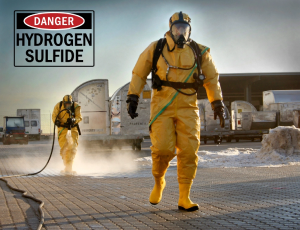
H₂S awareness training is designed for wastewater/sanitation (sewers, lift stations), agriculture/manure pits, landfills/biogas, pulp & paper (kraft), food processing/rendering, tanneries/NaHS users, utilities/public works (confined spaces), mining, chemical manufacturing/labs, and geothermal areas
Available in: English | Español
Optimized for mobile devices and offers a self-paced learning experience
SCORM-compliant, virtual instructor-led, in-person, and online training formats
In accordance with ANSI/ASSP Standard Z390.1-2024, Accepted Practices for Hydrogen Sulfide (H2S) Training Programs; and API RP 49 and 55, Recommended Practices
Operations-level H₂S safety course built for oil & gas—rigs, completions, production, pipelines, and refineries. Covers gas behavior and health effects, exposure limits, fixed/portable detection and verification, respirator selection, contingency planning, and emergency response.
Available in: English | Español
Learn anytime, anywhere, on any device—with a mobile-first course built for on-the-go users.
Receive your certificate right away once you complete the course
SCORM-ready, on-demand digital, virtual instructor sessions, or on-site course offerings
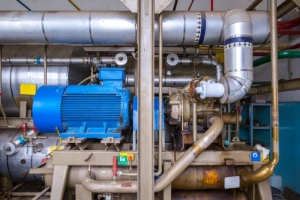
Empowers industrial refrigeration operators and technical engineers to enhance their professional skills while ensuring strict compliance with safety standards
Available in: English | Español
Learn on your own schedule, from any location, on any device
Obtain your certificate immediately after completing the course
SCORM-ready, on-demand digital, virtual instructor sessions, or on-site course offerings
Advances the expertise of refrigeration technicians and engineering specialists through comprehensive professional development programs aligned with essential safety protocols.
Available in: English | Español
Train at your convenience, across all devices
Get your official certificate as soon as you’re done
Take advantage of read-aloud course materials
Available as SCORM, on-demand online, virtual instructor-led, or in-person training
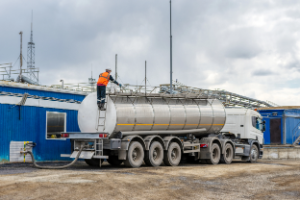
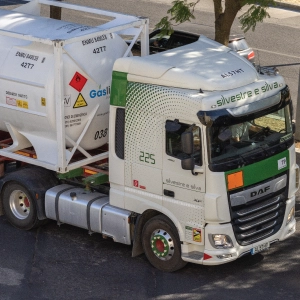
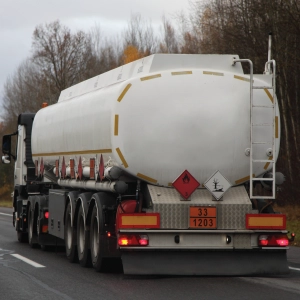
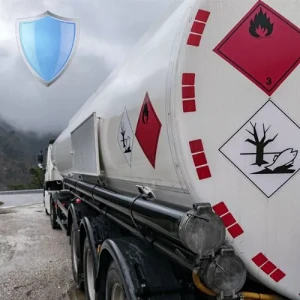
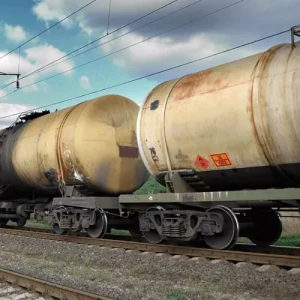
In accordance with Federal Motor Carrier Safety Administration (FMCSA) and DOT Regulations 49 CFR Parts 171-180
Covers both Hazardous Materials (H) and Tank Vehicle (N) knowledge test requirements into a single training program to qualify drivers for the X Endorsement
We are an FMCSA-approved training provider, meeting all federal requirements for entry-level driver training
Available in: English | Español
Receive your certificate instantly upon completion
Your records will be sent directly to the FMCSA, once you pass the final exam with an 80% mark or more
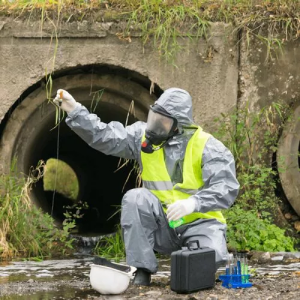
In accordance with Federal OSHA Regulations 29 CFR 1910 Toxic and Hazardous Substances, Subpart Z
Designed specifically for general industry workers and safety personnel who work around or with toxic or hazardous substances as part of their job duties on private or large-scale, public, or federally funded projects
Available in: English only
Learn on the go, even from your mobile device at your own convenience
Select from SCORM-compliant, online streaming, virtual instructor-led, or in-person learning formats
Empowers industrial refrigeration operators and technical engineers to enhance their professional skills while ensuring strict compliance with safety standards
Available in: English | Español
Learn on your own schedule, from any location, on any device
Obtain your certificate immediately after completing the course
SCORM-ready, on-demand digital, virtual instructor sessions, or on-site course offerings
Empowers industrial refrigeration operators and technical engineers to enhance their professional skills while ensuring strict compliance with safety standards
Available in: English | Español
Learn on your own schedule, from any location, on any device
Obtain your certificate immediately after completing the course
SCORM-ready, on-demand digital, virtual instructor sessions, or on-site course offerings
In accordance with CAL/OSHA HAZWOPER Regulations in Title 8, Section 5192 Paragraphs (a) to (q), and Federal OSHA Regulations 29 CFR 1910.120(e) and 29 CFR 1926.65(e)
Available in: English | Español
Study from anywhere, anytime, on any device
Flexible, self-paced mobile learning module
Instantly download your certificate upon completion
Engaging audio playback: listen to the entire course read aloud
Available in SCORM, on-demand online, virtual instructor-led, and in-person training formats
In accordance with Cal/OSHA HAZWOPER Regulations in Title 8, Section 5192 Paragraphs (a) to (q), and Federal OSHA Regulations 29 CFR 1910.120(e) and 29 CFR 1926.65(e)
Available in: English | Español
Learn at your own pace and on your own schedule
Receive your certificate instantly upon completion
Select from SCORM-compliant, online streaming, virtual instructor-led, or in-person learning formats
In accordance with Federal OSHA Regulations 29 CFR 1910 Toxic and Hazardous Substances, Subpart Z
Designed specifically for general industry workers and safety personnel who work around or with toxic or hazardous substances as part of their job duties on private or large-scale, public, or federally funded projects
Available in: English only
Learn on the go, even from your mobile device at your own convenience
Select from SCORM-compliant, online streaming, virtual instructor-led, or in-person learning formats
We aim to elevate the personal and professional growth of your employees through our corporate training programs, which can be conducted either in a one-on-one or group format, and are facilitated by experienced instructors.
Our range of corporate training courses comprises compliance training, technical skills training, soft skills training, and onboarding and orientation.
Our corporate training solutions offer several advantages such as cost-effectiveness, personalized customization, comprehensive tracking and reporting features, and a pay-as-you-go option.
Understand basic toxicology and chemical safety principles and how they are related to chemical exposure.
Understand the principles of decontamination as well as levels of decontamination and its methods.
Understand site characterization by identifying site hazards and steps to minimize these hazards.
Understand the uses of Personal Protective Equipment (PPE) and how to identify and select the correct PPE related to a particular hazardous waste worksite.
Understand the components of an effective Medical Surveillance Program.
Understand the various considerations of an environmental emergency response and the training and actions needed for personnel safety and the safety of others.
Explain potential dangers of confined spaces.
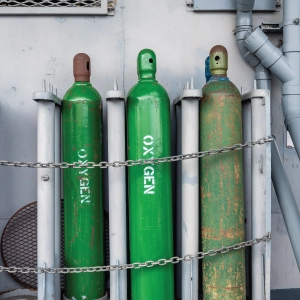
Understand procedures for safe handling, storage, and transportation of compressedgas cylinders.
Recognize the air monitoring and detection tools available to hazardous waste site workers.
The OSHA 40 Hour HAZWOPER Training course consists of 18 modules broken down into 80 hazardous materials and emergency response lessons. Students are required to take each lesson in sequential order as listed below.
Lessons
Introduction
Module 1: Regulatory Overview
Module 1 covers OSHA and HAZWOPER standards for the general industry (29 CFR 1910.120) and for the construction industry (29 CFR 1926.65), in addition to relevant NFPA and DOT information.
Lesson 1: OSHA and the HAZWOPER Standard
Lesson 2: Hazard Communication
Lesson 3: NFPA System and DOT Labels
Module 2: Planning and Organization
The organizational structure of a hazardous waste site is important because it determines how tasks are assigned and how communication flows. The site safety and health plan is important because it outlines the procedures that will be used to protect workers from hazards. The organizational structure of a hazardous waste site will vary depending on the size and complexity of the site. However, there are some common elements that are found in all organizational structures.
Lesson 4: Organizational Structure
Lesson 5: Site Safety and Health Plan
Module 3: Site Characterization
HAZWOPER Site Characterization is the process of gathering information about a hazardous waste site in order to identify and assess the hazards present at the site. This information is used to develop a Site Safety and Health Plan (SSHP) and to implement safe work practices.
Lesson 6: Off-Site Characterization
Lesson 7: On-Site Survey and Monitoring
Lesson 8: Site Control Strategy
Lesson 9: Site Work Zones
Lesson 10: Site Security and Communication
Module 4: Medical Surveillance
HAZWOPER Medical Surveillance is a program that is designed to monitor the health of workers who are exposed to hazardous waste. The goal of the program is to identify any health problems that may be caused by exposure to hazardous waste, and to take steps to prevent or treat those problems.
Lesson 11: Medical Surveillance Program
Lesson 12: Program Review and Recordkeeping
Module 5: Toxicology
The goal of HAZWOPER Toxicology is to understand the toxicity of hazardous waste materials, so that we can better protect human health and the environment. This knowledge can be used to develop safe work practices, to prevent exposure to hazardous waste, and to treat people who have been exposed to hazardous waste.
Lesson 13: Introduction to Toxicology
Lesson 14: Chemicals and Target Organ Toxicity
Lesson 15: Factors Influencing Toxicology
Module 6: Hazard Classification
HAZWOPER Hazard Classification is a system for classifying hazardous waste materials based on their physical and chemical properties. The system is used to identify the hazards posed by hazardous waste materials, and to develop safe work practices to protect workers and the environment.
Lesson 16: Job Hazard Analysis
Lesson 17: Physical and Chemical Properties
Lesson 18: Fire and Oxygen Deficiency
Lesson 19: Physical Hazards
Lesson 20: Other Hazards
Lesson 21: Bloodborne Pathogens
Module 7: Chemical Hazards
Chemical hazards are one of the most common hazards associated with hazardous waste. These hazards can be caused by the properties of the waste itself, or by the way the waste is handled.
Lesson 22: Corrosives
Lesson 23: Hazardous Mixtures
Lesson 24: Solvents
Lesson 25: Oxidizers
Lesson 26: Reactive Materials
Lesson 27: Explosives
Module 8: Radiological Hazards
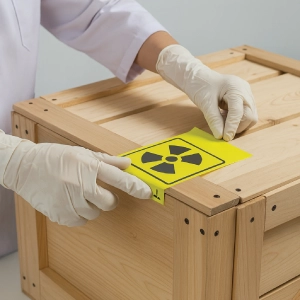
Radiological hazards are one of the most serious hazards associated with hazardous waste. Radioactive materials can cause cancer, birth defects, and other health problems. They can also damage property and the environment. The hazards posed by radioactive waste can vary depending on the specific waste. It is important to be aware of the hazards associated with any radioactive waste that you are working with.
Lesson 28: Introduction to Radiological Hazards
Lesson 29: Exposure to Radiation
Module 9: Respiratory Protection
Respiratory protection is one of the most important aspects of HAZWOPER compliance. Respirators can protect workers from exposure to harmful airborne contaminants, such as asbestos, lead, and mercury. There are a number of different types of respirators available, each with its own advantages and disadvantages. The type of respirator that is best for a particular situation will depend on the specific hazards that are present.
Lesson 30: Introduction to Respiratory Protection
Lesson 31: Types of Respirators
Lesson 32: Respirator Selection Factors
Lesson 33: Respirator Fit Testing
Lesson 34: Training and Maintenance
Module 10: Personal Protective Equipment
Module 10 examines the importance of chemical protective clothing (CPC) and PPE for the eyes, ears, hands, and feet when working in certain HazMat environments.
Lesson 35: Introduction to PPE
Lesson 36: Chemical Protective Clothing (CPC)
Lesson 37: PPE for the Head, Eyes, Face and Ears
Lesson 38: PPE for the Hands and Feet
Lesson 39: Selection of Chemical Protective Clothing
Lesson 40: Monitoring and Medical Concerns of PPE
Lesson 41: Donning and Doffing PPE
Lesson 42: Inspection and Maintenance of PPE
Module 11: Decontamination
Decontamination is the process of removing or neutralizing contaminants that have accumulated on personnel and equipment. It is a critical part of hazardous waste operations and emergency response. The purpose of decontamination is to protect workers and the environment from the hazards of hazardous waste. Contaminated workers can spread hazardous materials to other areas, and contaminated equipment can release hazardous materials into the environment.
Lesson 43: Introduction to Decontamination
Lesson 44: Decontamination Facility Design
Lesson 45: Decontamination Equipment Selection
Lesson 46: Decontamination Methods
Lesson 47: Testing For Effectiveness
Lesson 48: Emergency Decontamination
Module 12: Air Monitoring
Air monitoring is the process of measuring the concentration of hazardous substances in the air. It is an important part of hazardous waste operations and emergency response. The purpose of air monitoring is to identify and quantify airborne hazards, so that appropriate protective measures can be implemented. Air monitoring can also be used to assess the effectiveness of remediation efforts.
Lesson 49: Introduction to Air Monitoring
Lesson 50: Direct Reading Instruments
Lesson 51: Toxic Atmosphere Monitoring
Lesson 52: Laboratory Analysis
Lesson 53: Site Monitoring
Lesson 54: Personal Sampling
Module 13: Compressed Gases
Module 13 surveys the nature of compressed gas cylinders and includes information on proper handling, transportation, and emergency response.
Lesson 55: Introduction to Compressed Gases
Lesson 56: Safe Handling and Storage of Cylinders
Lesson 57: Transportation and Disposal of Cylinders
Lesson 58: Emergency Response
Module 14: Material Sampling and Analysis
Module 14 covers various types of sampling plans for use with toxic or hazardous substances on a HazMat worksite.
Lesson 59: Field Sampling Plan
Lesson 60: Environmental Sampling
Lesson 61: Hazardous Material Sampling
Module 15: Handling Drums
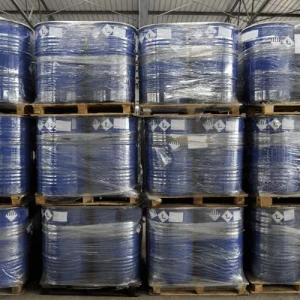
Module 15 instructs learners on the proper methods for opening, transporting, and sampling drums of hazardous waste or other toxic or hazardous substances.
Lesson 62: Introduction to Handling Drums
Lesson 63: Opening Various Types of Drums
Lesson 64: Drum Sampling and Characterization
Lesson 65: Drum Transportation
Module 16: Confined Spaces
Module 16 covers roles, entry procedures, safety protocols, and emergency response for confined spaces on a HazMat work site.
Lesson 66: Introduction to Confined Spaces
Lesson 67: Confined Space Roles and Responsibilities
Lesson 68: Confined Space Entry Plan
Lesson 69: Confined Space Pre-Entry Procedures
Lesson 70: Entering a Confined Space
Lesson 71: Confined Space Hazards
Lesson 72: Confined Space Safety Equipment
Lesson 73: Confined Space Rescue and Emergencies
Module 17: Excavations
Module 17 covers excavations on a hazardous waste site, paying special attention to soil classification and the correct use of protective systems.
Lesson 74: Introduction to Excavations
Lesson 75: Soil Classification
Lesson 76: Protective Systems
Module 18: Emergency Response Procedures
Module 18 discusses emergency response measures, first responder considerations, and fire service involvement at a HAZWOPER worksite.
The email address you've entered is already linked to an account within our system. Please login before moving forward, or you may select the "Proceed" option to proceed with placing an order using your existing account.
Order Placed
Your order has been successfully processed. To access and manage your order, kindly log in to your existing account. If your username and password are readily available, fantastic! Simply click the Login button below. In case you can't remember your login credentials, don't fret - we've dispatched an email containing instructions to aid you in logging in. Just utilize the link provided in your email to access your account
I am buying these course(s) for:
Success
Self Enrollment
Assign this course to my email address.
Self + Team
Assign one seat to me and additional seats to other learners.
Team Only
Assign all seats to other learners.
You can assign or change learners later from your dashboard.
Enrolled Users
Full Name
Email
Enrolled On
Status
Certificate
Sr. #
Question
Points
Correct
Incorrect
Time
Email:
Assigned Courses
Course Name
Enrolled On
Status
Certificate
Get Started
“We've made it easy to meet both the Federal & State mandated requirements.”
1. Select the option that best applies:*
Product Details
Add to cart
Cancel
Heat Stress Is
Slowing Your
Team Down
More Than
Realize!
Download the Free Heat Stress Prevention Guide.
(Includes a 5-Point Heat Stress Risk Checklist)
Subscribe to our
mailing list today and
receive 2 Surprises!
10% DISCOUNT
FREE FATIGUE MANAGEMENT GUIDE (Includes a 5-Point Audit Checklist to uncover risks in shift work and high-risk roles.)
Share your email to get the FREE GUIDE
Cart updated
Your cart updated successfully
How can we help?
Choose how you'd like to get help today
Ask AI Assistant
Get instant answers about courses, pricing, certifications, and personalized training recommendations.
Talk to a Human
Connect with a live support agent for complex questions, bulk orders, or account assistance.
Ask AI
Ready to help
HAZWOPER AI Assistant
Ask me anything about safety training, OSHA regulations, or which course fits your role.
 English and
 Español. After purchase, use the language toggle in your course Player to switch between English and Spanish at any time.
 EN
EN ES
ES