 EN
EN ES
ES


































































Tempore ea volu
Excepteur quisquam i.
Read More
All courses are now available in
 English and
 Español. After purchase, use the language toggle in your course Player to switch between English and Spanish at any time.
Excepteur quisquam i.
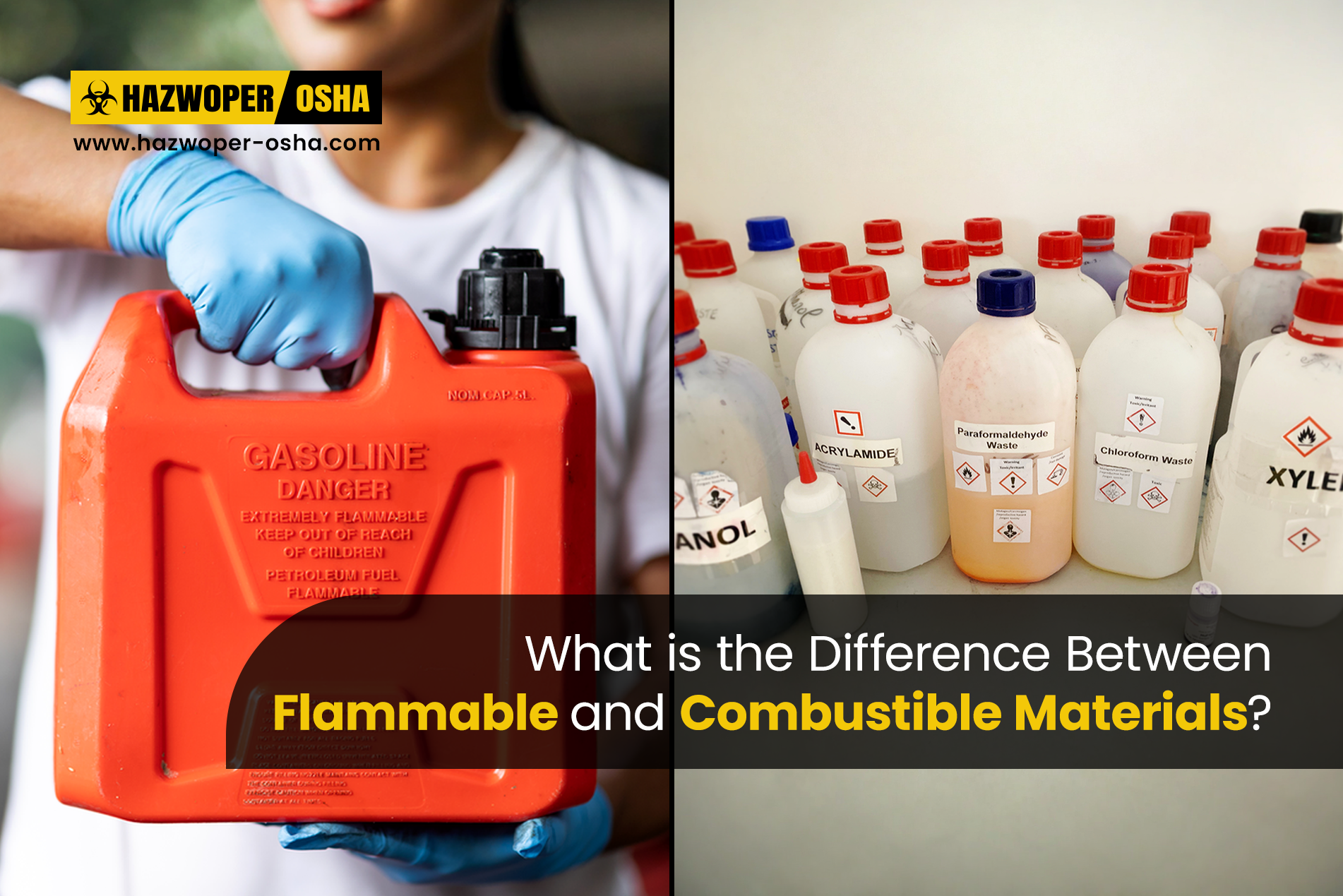
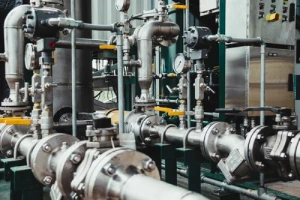
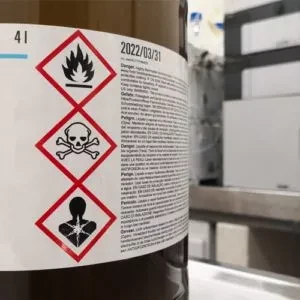
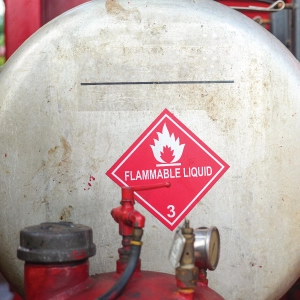
Read MoreWhat’s the Difference Between Flammable and Combustible Materials Introduction:When a fire incident happens at work, it rarely comes down to chance. In most cases, it traces back to how materials were identified, stored, and handled. One of the most common gaps in fire risk awareness is the misunderstanding between flammable and combustible materials. These terms are often used interchangeably, but they describe very different behaviors around heat and ignition.Flammable materials can ignite quickly because they release vapors at lower temperatures. Combustible materials require more heat to ignite, but once ignited, they can still fuel serious incidents. For employers, this distinction affects everyday decisions where materials are kept, how close they are to heat sources, and how prepared employees are to recognize early warning signs.Misjudging these risks can lead to poor storage practices, unsafe handling, and delayed responses during emergencies. Understanding how these materials behave enables employers to correctly prioritize hazards and manage fire risks more effectively across their operations.This blog breaks down the difference between flammable and combustible materials in clear, practical terms. It focuses on how each behaves, where the risks differ, and what employers need to consider for maintaining safer work environments.What Are Flammable and Combustible Materials?Flammable and combustible both describe how materials react to heat and ignition sources. The difference lies in how easily they produce enough vapor to catch fire, which determines how you manage them on site.What Does “Flammable” Mean?A flammable material is any substance, liquid, solid, or gas that can ignite easily under normal workplace conditions.Flammable liquids ignite because they release combustible vapors at low temperatures. Their flash point determines this, the lowest temperature at which enough vapor is produced to ignite. For flammable liquids, the flash point is below 37.8 °C (100 °F).Flammable gases ignite readily when mixed with air and exposed to an ignition source, even at room temperature. Common examples include propane and hydrogen.Flammable solids can ignite through friction, heat, or contact with air or moisture. Some burn rapidly once ignited, such as sulfur or certain metal powders.Because these materials can ignite easily, they present a higher fire risk and require proper storage, handling, and training. Every day, flammable materials include gasoline, solvents, propane, and combustible powders.What Does “Combustible” Mean?A combustible material is any substance liquid, solid, or gas that can burn but requires more heat to ignite than a flammable material.Combustible liquids produce enough vapor to ignite only at higher temperatures. Their flash point is generally above 37.8 °C (100 °F) and up to 93.3 °C (200 °F).Combustible solids burn when exposed to sufficient heat or ignition sources. Materials like wood, paper, rubber, and some plastics can sustain combustion once ignited.Combustible gases are less easily ignited than flammable gases but can still burn when mixed with air and exposed to adequate heat or an ignition source.Although combustible materials are less volatile under normal conditions, they still pose serious fire hazards, especially during prolonged exposure to heat or poor storage practices. Common examples include diesel fuel, wood products, heavy oils, and certain industrial gases.Both flammable and combustible materials can burn, leading many people to use the terms interchangeably. Clear understanding reduces risk and supports better planning for storage, handling, and employee training.Why Understanding the Difference Between Flammable and Combustible Materials Matters for Workplace Safety?Knowing the difference helps employers manage fire risks more effectively. This matters in everyday decisions about storage, handling, and hazard awareness. Flammable substances can form vapor‑air mixtures that ignite even under normal work conditions, making them a higher day‑to‑day fire risk. Combustible materials are less volatile but can still fuel fires if exposed to prolonged heat or open flames.Understanding these differences enables you to prioritize training, control ignition sources, and plan storage layouts that match the real hazard level of materials on site. It also helps employees recognize risks during routine tasks and respond appropriately if ignition occurs. Clear knowledge of these behaviors reduces fire incidents, protects people and property, and supports a safer workplace overall.Key Differences Between Flammable and Combustible MaterialsIn workplace safety, both flammable and combustible materials can ignite and burn, but under very different conditions. Understanding these differences helps you assess risk, plan storage, and prioritize hazard controls effectively.Ignition Temperature DifferencesThe main technical distinction between flammable and combustible materials is the ignition temperature at which they produce enough vapor to ignite.The danger of flammable and combustible materials isn’t just their ignition temperature; it’s how they behave when conditions change.Flammable materials become especially hazardous with small environmental shifts. A rise in ambient temperature, poor ventilation, confined spaces, or vapor accumulation can quickly create ignitable atmospheres. Weather conditions, such as heat waves or exposure to sunlight in enclosed storage, can significantly increase the risk, even without active ignition sources.Combustible materials are typically stable under normal conditions but become dangerous when subjected to prolonged or unexpected heat exposure. Equipment overheating, friction, hot work, seasonal temperature increases, or fires nearby can raise temperatures enough to trigger ignition. Dust accumulation from combustible solids can also create explosive conditions when disturbed.Understanding how environmental factors, weather, ventilation, and operational changes affect these materials is critical when evaluating risks from machinery, furnaces, electrical equipment, or outdoor storage areas. Effective hazard control depends on anticipating these conditions, not just knowing flash point values.Rate of Fire SpreadOnce ignition occurs, the speed and intensity of fire growth depend on the material’s form, surface area, and heat release rate, not just whether it is classified as flammable or combustible.Flammable materials, especially liquids and gases, can cause fires to grow extremely fast because vapors ignite instantly and spread flame rapidly across surfaces and into the surrounding air. This can lead to near-immediate fire involvement of nearby materials and structures.Combustible materials can be just as dangerous or more so once they are burning.Combustible solids like cardboard, paper, wood, or dust can produce rapid flame spread and early flashover, particularly in warehouses or confined spaces.Combustible liquids, while harder to ignite, often release large amounts of heat once burning, sustaining intense fires that are difficult to control.Combustible mists or dust clouds can ignite instantly and behave explosively, leaving no time for reaction.The key risk factor is heat release rate. Many combustible materials burn hotter and longer than flammables, increasing structural damage and complicating firefighting efforts.For employers, the takeaway is clear: once ignition occurs, flammable and combustible fires demand the same response, immediate evacuation and emergency action. Risk management must focus on preventing ignition, controlling heat sources, and limiting fuel accumulation before a fire ever starts.Vapor Production and Fire RiskFire risk isn’t just about the material; it’s about how vapors are generated, where they travel, and how easily they find an ignition source.Flammable substances produce vapors at low temperatures, and most of these vapors are heavier than air. Instead of rising and dispersing, they sink, spread along floors, and can travel long distances to hidden ignition sources such as pilot lights, electrical equipment, or hot surfaces in adjacent areas. This creates a serious flashback risk, where ignition occurs far from the original spill or container.Combustible substances typically require more heat to generate vapors, but this changes dramatically with increased surface area. When combustible liquids soak into rags, cardboard, insulation, or absorbent materials, the “wicking effect” accelerates vapor release. In some cases, such as oil-soaked rags, this can lead to ignition or even spontaneous combustion at normal room temperatures.Additionally, pressurized leaks (such as hydraulic fluid failures) can create fine mists that ignite instantly, even without external heating.Static electricity is a common ignition source during pouring, pumping, or transfer operations. Risk control requires more than “avoiding sparks.” Containers must be bonded and grounded so that static charge cannot accumulate during liquid movement.Ventilation controls must match vapor behavior. Because many flammable vapors settle low, standard ceiling ventilation or air conditioning may leave an explosive vapor layer at floor level. Effective controls include low-level exhaust ventilation, especially in pits, enclosed rooms, and confined spaces.Managing vapor risk means anticipating vapor movement, accumulation, and ignition pathways, not assuming safety based on temperature alone. Controls must address grounding and bonding, spill absorption, pressurized systems, and ventilation design wherever flammable or combustible materials are present.Hidden Flammable & Combustible Hazards You Might OverlookEven experienced safety professionals can miss less obvious fire risks. These hidden hazards increase danger unexpectedly and require special attention:The "Wick Effect" in Rags and AbsorbentsHigh-flashpoint combustible liquids like linseed oil, varnishes, and some heavy oils seem safe in sealed cans. But when soaked into rags, cardboard, insulation, or other porous materials, their surface area expands dramatically. This allows oxygen to rapidly oxidize the material, generating heat internally. Without proper handling and disposal, these “wicked” materials can self-heat and spontaneously combust, no spark needed.High-Pressure Mist HazardsBulk combustible liquids like hydraulic fluids or heavy oils don’t ignite easily as puddles. However, if a pressurized line or fitting ruptures, the fluid atomizes into a fine mist with vastly increased surface area. This mist behaves like a flammable gas cloud and can ignite instantly near hot equipment, sparks, or motors, causing rapid and intense fires.The “Summer Effect” – Temperature SurprisesMany combustible liquids considered safe at standard room temperature (~70°F) can become dangerously volatile when warehouse temperatures rise during summer. Ambient heat can exceed the liquid’s flash point (often 100°F or higher), turning a “low-risk” combustible into a volatile, flammable vapor source often without anyone realizing the change in hazard level."Ghost" Vapors in “Empty” ContainersDrums or containers marked “empty” are often more hazardous than full ones. Residual liquid inside evaporates into the airspace, creating a highly explosive vapor-air mixture. Cutting, welding, or grinding on these drums is a common cause of workplace fires and fatalities. Treat empty containers with the same caution as full ones.Unlabeled Secondary ContainersFor convenience, workers sometimes transfer flammable solvents into unmarked plastic bottles or spray flasks. Without original hazard labels, these containers are mistaken for harmless liquids like water or cleaners. This leads to improper storage near heat sources, accidental ingestion, or misuse, exponentially increasing risk.Beyond understanding flash points and ignition, you must identify and control these hidden hazards through training, proper storage, labeling, ventilation, and waste management. Awareness and vigilance save lives.Flammable & Combustible Materials Storage & HandlingWorkplace fires often stem from poor storage and handling of flammable and combustible materials. Proper controls are essential to prevent vapor buildup, ignition, and rapid fire spread.Flammable MaterialsVentilate at floor level: Flammable vapors are heavier than air and collect low. Ceiling fans aren’t enough use low-level exhaust to remove vapors.Use safety cabinets correctly: Cabinets provide fire protection, not vapor containment. Vent cabinets outdoors if vapor buildup is a concern.Ground and bond containers: Static sparks during liquid transfer are a major ignition source; always ground and bond drums and equipment.Separate from heat and incompatible chemicals: Keep flammables away from flames, hot surfaces, electrical panels, and oxidizers like bleach or peroxide.Maintain container integrity: Use self-closing lids; never leave drums open or damaged.Combustible MaterialsFollow the 18-inch sprinkler clearance: Keep stacked combustibles 18 inches below sprinkler heads to ensure fire suppression works.Control dust and waste: Prevent combustible dust accumulation and dispose of waste properly to avoid sudden fire spread.Monitor heat exposure: Avoid prolonged heat sources; high warehouse temperatures can increase fire risk.Common Mistakes to AvoidVentilating only at the ceiling levelSkipping grounding and bonding during transfersUsing unvented cabinets as vapor trapsBlocking sprinklers with stacked materialsStoring flammables near oxidizersPrioritize vapor control and grounding first, then stacking and chemical separation, followed by container care and housekeeping for best results.Training Employees to Recognize Fire HazardsBuild specific competencies to prevent fires and ensure safety:HazCom & GHS: Train on SDS, labeling, and recognizing flammable/combustible materials.Bonding & Grounding: Teach proper procedures to prevent static sparks during transfers.Hot Work Awareness: Cover risks and permits for welding, cutting, and grinding near hazardous materials.Inspection Skills: Train to detect leaks, container damage, and vapor buildup.Safe Work Practices: Focus on controlling ignition sources during high-risk tasks.New Hire & Refresher Training: Provide full training at onboarding and regular updates.Toolbox Talks: Use brief, targeted talks before tasks involving flammables or combustibles.Conclusion:Effective fire safety starts with a clear understanding, especially around how flammable and combustible materials behave and how they interact with ignition sources in your facility. When teams recognize hazards early and make informed decisions about storage, handling, and work practices, the likelihood of fire incidents drops significantly, protecting both people and property.Training that deepens this understanding is a practical way to reinforce safe behavior and improve risk management. The OSHA Flammable and Combustible Liquids Awareness Training course equips learners with the knowledge to identify vapor hazards, distinguish material classifications, and apply safe storage and handling techniques that reduce ignition risks and fire potential on site.Complementary to hands-on fire hazard competencies, GHS & Hazard Communication (HazCom) Training is essential for workplace safety. This training ensures employees understand chemical hazards, interpret Safety Data Sheets (SDS), and correctly read labels for flammable and combustible materials.Investing in this kind of practical training supports safer operations, reinforces hazard awareness, and helps teams respond confidently in the event of a fire, ultimately contributing to a safer, more resilient workplace. .fancy-line{width:60%;margin:20px auto;border-top:2px solid #116466;text-align:center;position:relative}.fancy-line::after{content:"✦ ✦ ✦";position:absolute;top:-12px;left:50%;transform:translateX(-50%);background:white;padding:0 10px;color:red}
Read MoreWhy Are Slips, Trips, and Falls Still a Leading Workplace Hazard Despite Simple Controls? Introduction: Slips, trips, and falls are often labeled as “basic” workplace hazards. That assumption is exactly why they continue to cause serious injuries across industries. In many blogs and safety discussions, this issue keeps recurring: controls exist, guidance is available, yet incidents still happen. The problem is not a lack of solutions. It is how those solutions are understood, applied, and maintained in real work settings. For employers, slips, trips, and falls rarely stem from a single obvious failure. They develop through everyday conditions, busy walkways, changing floor surfaces, temporary obstructions, and routine tasks performed under time pressure. These factors interact continuously, making fall risks dynamic rather than static. When hazards change throughout the shift, simple controls lose their effectiveness if they are not actively managed. Another common gap in existing content is the assumption that awareness equals prevention. Knowing that wet floors or uneven surfaces are dangerous does not automatically change behavior or workplace conditions. Without consistent follow-through, even well-intentioned controls become background noise. Over time, familiarity replaces caution, and minor hazards are accepted as normal. This blog examines why slips, trips, and falls persist despite straightforward prevention methods. It focuses on the practical challenges employers face, from workplace design and human behavior to training limitations. More importantly, it clarifies where common approaches fall short and what needs to change controls to work as intended day after day, not just on paper. Why Slips, Trips, and Falls are a Persistent Issue at Workplace? Slips, trips, and falls continue to be a leading cause of workplace injuries because they are embedded in daily operations and often underestimated. Understanding why these incidents keep occurring despite basic safety measures is crucial for effective risk management. 1. Constantly Changing Workplace Hazards Workplace hazards are not static; they continuously evolve throughout the workday as tasks progress and environments change. True dynamic hazards arise from changing conditions such as sudden spills, shifting weather affecting outdoor surfaces, or equipment malfunctions that can appear unpredictably and require immediate attention. At the same time, some hazards arise from gaps or flaws in workflows and processes. For example, if cleaning schedules are not coordinated with production activities or if maintenance routines are inconsistent, these workflow gaps can cause hazards, such as wet floors or cluttered pathways, to appear unexpectedly. Effectively managing slips, trips, and falls means addressing both these aspects: promptly responding to genuinely dynamic hazards as they arise and regularly reanalyzing workflows to identify and close gaps that contribute to hazard development. Safety controls must be continuously reassessed, updated, and enforced rather than treated as one-time fixes. 2. Normalization of Hazards When employees and supervisors are repeatedly exposed to uneven flooring, loose mats, or poor lighting, these conditions can gradually be accepted as “normal.” Over time, this reduces vigilance and delays hazard reporting or correction. Management tolerance plays a critical role in this normalization. When known issues are not addressed, prioritized, or corrected, it signals that the hazard is acceptable. For example, a small crack in the floor may go unreported or unfixed because it has “always been there” and leadership has allowed it to persist, increasing the likelihood of trips and falls over time. 3. Human Behavior and Workplace Pressure Workers often juggle tight deadlines, multitask, or experience fatigue, which can lead to rushing, distraction, or reduced balance. These behaviors directly increase the likelihood of falls and are hard to control with signs or one-time training. Employers can address this by managing workloads, scheduling breaks, and consistently reinforcing safety habits. 4. Gaps Between Safety Policies and Daily Practice Many workplaces have policies for floor maintenance or hazard marking, but these rules often aren’t monitored or enforced. Without regular supervision and accountability, controls fail to prevent risks. For example, a wet floor sign might be placed but left unattended for hours, leading to avoidable incidents. For employers, the challenge is to recognize these realities and build prevention strategies that reflect the complexity of daily work life. This means moving beyond static rules to dynamic management, regular hazard assessments, employee engagement, and adaptable controls that evolve with workplace conditions. Only then can the persistent problem of slips, trips, and falls be meaningfully reduced. Overlooked Workplace Design and Layout Issues Workplace design shapes the environment where slip, trip, and fall hazards arise. Employers often miss key layout problems that quietly increase risk, even with basic safety measures in place. Recognizing these hidden flaws is essential for effective hazard control. Floor Transitions, Elevation Changes, and Blind Spots Sudden changes in floor levels, such as steps, ramps, or uneven surfaces, are frequent causes of trips. When these transitions lack visible warnings like contrasting color strips or gradual slopes, workers are more likely to stumble. Blind spots, areas where workers cannot see upcoming obstacles or floor changes, often occur near corners, equipment, or shelving. Regular inspections should target these spots, using clear visual markings or redesigning layouts to improve sightlines and reduce hazards. Inadequate Lighting Dim, flickering, or uneven lighting can make spills, debris, or surface irregularities hard to detect. Areas with heavy foot traffic or task-critical work require consistent, well-distributed lighting free from glare or shadows. Installing brighter bulbs, motion-activated lighting, or additional fixtures in problem zones can significantly boost hazard visibility and worker safety. Congested Walkways Walkways cluttered with tools, materials, pallets, or cables force workers to navigate around obstacles, increasing trip risks. Common culprits include temporary storage of equipment, misplaced tools, or poorly planned material staging. Employers should implement clear storage protocols, designate specific areas for equipment, and conduct frequent walk-throughs to ensure pathways remain clear and accessible. By focusing on these overlooked design and layout problems, employers can remove hidden hazards and strengthen their slip, trip, and fall prevention efforts. What Human Factors Increase Slip, Trip, and Fall Risk? Human behavior strongly influences slip, trip, and fall incidents in the workplace. Employers must understand these factors to create effective prevention strategies. Rushing, Fatigue, and Task Pressure Workers often face tight deadlines and heavy workloads, which encourage rushing. Moving quickly reduces attention to hazards and increases mistakes. Fatigue worsens this by impairing focus and balance. For example, a tired employee may miss a wet floor sign or uneven surface. Employers should manage workloads, schedule breaks, and encourage steady pacing to reduce these risks. Inconsistent Use of Footwear and Personal Precautions Proper footwear offers necessary grip and support on different surfaces. However, some workers wear inappropriate shoes or skip safety gear when tasks change or during informal activities. Similarly, neglecting precautions like holding handrails or avoiding phone use while walking raises fall risks. Employers can address this by setting clear footwear policies, providing suitable shoes if possible, and reinforcing personal safety habits through regular reminders and supervision. Complacency Among Experienced Workers While experience is often viewed as a safety asset, it can also become a hidden risk. Over time, familiarity with tasks and environments may lead experienced workers to develop overconfidence, causing them to underestimate hazards or bypass safety steps they perceive as unnecessary. Routine risks begin to feel less threatening, reducing overall hazard awareness. For example, an experienced employee may ignore a small crack in the floor because it “has always been there,” increasing the likelihood of injury despite years of incident-free work. Understanding these human factors helps employers tailor controls and training real workplace behavior, making slip, trip, and fall prevention more effective and practical. Why Training and Awareness Often Fail to Change Behavior? Training sessions are important, but one-time events rarely lead to lasting changes in how employees act. Without ongoing reinforcement such as regular reminders, toolbox talks, or refresher courses workers tend to forget safety information or stop following best practices. Additionally, generic safety messages that don’t reflect the specific tasks and hazards employees face often feel irrelevant, causing workers to disengage and overlook important precautions. Another major factor is the lack of accountability for unsafe walking behaviors. When unsafe actions go unaddressed, employees assume they are acceptable and continue them. Without clear expectations, supervision, and consequences, consistent safe practices become difficult to maintain. Employers must tailor training to real job conditions and enforce accountability to create meaningful behavior change and reduce slip, trip, and fall incidents. What Employers Can Do Differently to Reduce Fall Incidents Reducing slips, trips, and falls requires targeted actions that fit the realities of the workplace. Employers must shift from reactive measures to proactive, integrated strategies focused on identifying risks, embedding prevention in daily operations, and delivering relevant training. 1. Identifying & Managing High-Risk Walking Paths Regular, scheduled inspections of walking routes are essential to identify and address hazards before incidents occur. Employers should implement daily or weekly walk-throughs, focusing on high-traffic areas such as loading docks, production floors, and common walkways. Using detailed checklists during these inspections helps ensure consistent hazard detection. Involving frontline workers in this process is equally important, as they can offer valuable insights about spots where spills, clutter, or other risks frequently occur. Supervisors play a critical role by making fall prevention part of daily supervision and planning assigning clear responsibility for keeping walkways clear to janitorial teams, floor managers, or designated safety champions. To maintain a hazard-free environment, supervisors should verify these areas during shift changes and include fall risk checks in daily briefings or pre-shift meetings. Additionally, planning maintenance and cleaning schedules around peak work hours can minimize workers’ exposure to wet floors or uneven surfaces during busy times. 2. Eliminate and Substitute Fall Hazards Prioritize removing fall hazards at their source to prevent incidents before they happen. This means permanently fixing uneven floors, eliminating unnecessary walking routes through dangerous areas, and redesigning workflows to minimize foot traffic in high-risk zones. When complete removal isn’t possible, reduce risks by replacing slippery surfaces with safer materials or adjusting cleaning methods to avoid wet floors during busy times. 3. Modify the Work Environment to Reduce Risk Create a safer workplace by implementing physical changes to reduce fall hazards. This includes installing slip-resistant flooring, improving drainage to prevent puddles, securing loose mats, adding guardrails or handrails where needed, and enhancing lighting in critical areas. Clearly mark pedestrian pathways to keep foot traffic separate from vehicles or machinery, further minimizing hazards. 4. Use Protective Equipment to Support Safety Efforts When hazards can’t be fully eliminated, use appropriate protective equipment to add a layer of safety. Ensure workers wear slip-resistant footwear suited to the environment, and regularly check and replace this gear to maintain its effectiveness. 5. Practical, Task-Specific Training Training must go beyond theory to address the actual conditions workers face. Hands-on sessions, scenario-based drills, and on-the-job coaching show employees how to navigate specific hazards like carrying tools on stairs or moving through cluttered spaces safely. Frequent refreshers and immediate feedback reinforce these habits. For instance, training could simulate walking on slippery surfaces while carrying materials, helping workers develop safer movement patterns. By adopting these focused strategies, structured observations, daily managerial involvement, and practical training employers can build a workplace culture that actively prevents slips, trips, and falls, rather than reacting after incidents occur. Conclusion: Slips, trips, and falls remain a top workplace hazard because prevention often overlooks the changing conditions and human factors that influence risk throughout the day. Employers must move beyond static controls to actively manage hazards as they evolve. Effective prevention requires regular inspections with frontline input, integrating fall risk management into daily supervision, and providing practical, task-focused training. Holding employees accountable and addressing hazards promptly are also key. Specialized training like OSHA Competent Person for Fall Protection Training and OSHA Fall Protection Safety Training equips teams to identify and control fall hazards confidently. By adopting these proactive strategies, employers can build a safety culture that prevents slips, trips, and falls every day not just on paper. .fancy-line{width:60%;margin:20px auto;border-top:2px solid #116466;text-align:center;position:relative}.fancy-line::after{content:"✦ ✦ ✦";position:absolute;top:-12px;left:50%;transform:translateX(-50%);background:white;padding:0 10px;color:red}
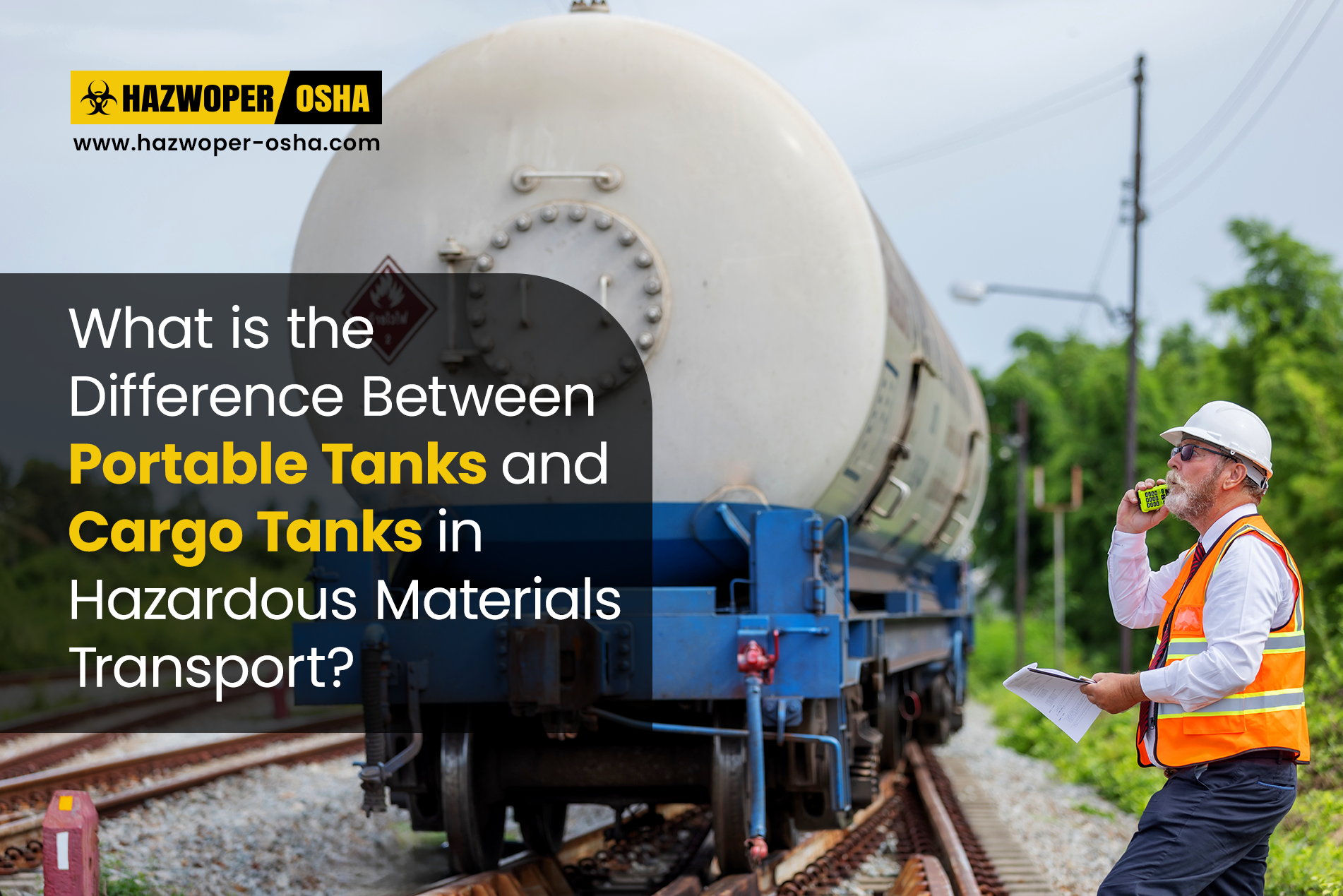
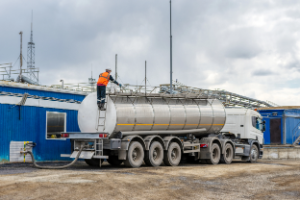
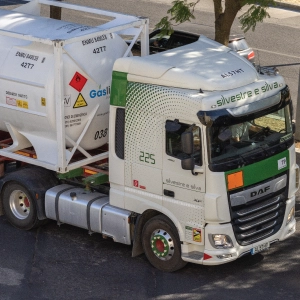
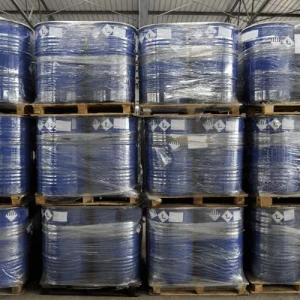
Read MoreWhat’s the Difference Between Portable Tanks and Cargo Tanks in Hazardous Materials Transport? Introduction: Choosing the wrong tank type for hazardous materials transport can lead to severe consequences including fines up to $84,425 per violation under DOT regulations (49 CFR Parts 171–180). In 2024, PHMSA issued numerous citations for improper use of portable tanks and cargo tanks, highlighting how costly these mistakes can be. Though often confused, portable tanks and cargo tanks are not interchangeable. Portable tanks are designed for repeated movement and transfers, while cargo tanks are permanently attached to vehicles and subject to stricter inspection and maintenance rules. Using the wrong tank type increases the risk of regulatory violations, operational delays, and worker exposure during loading and unloading. For employers, understanding these differences is essential to avoid fines, ensure safety, and keep operations running smoothly. This blog breaks down the key distinctions between portable tanks and cargo tanks, where each is best used, and what employers must consider to stay compliant and efficient.What Are Portable Tanks and Cargo Tanks in Hazardous Materials Transport?Hazmat employers often operate under tight schedules, repeated routes, and with high-risk cargo. In this environment, tank selection isn’t theoretical; it directly impacts how materials move, how crews work, and how smoothly operations run. Understanding the difference between portable tanks and cargo tanks helps eliminate guesswork early in the planning process. Portable Tanks Portable tanks are self-contained units designed to be filled, transported, and emptied as a single package. They are not permanently attached to a vehicle. Instead, they are placed onto trucks, railcars, or vessels and removed once the transport task is complete. In day-to-day operations, portable tanks provide flexibility. Employers often rely on them when materials must move across different transport modes or when delivery points change. Because the tank moves with the material, there is less need to transfer contents between containers during transit. Many portable tanks used in hazardous materials transport follow specifications such as the legacy IM-101 and IM-102 standards, which are still common in many fleets. However, these are largely superseded by UN Portable Tanks (T-codes), which are the prevailing standard for new construction and provide better alignment with international regulations. They are built to withstand working pressures and carry a range of liquid materials in capacities typical for intermodal transport. From an operational perspective, portable tanks: Allow reuse across multiple routes and transport methods Reduce product transfers between stages of a journey Require careful coordination for lifting, securing, and staging using certified lifting gear, trained operators, and clear lift paths to minimize handling risks and prevent damage For employers managing variable logistics or temporary transport needs, portable tanks offer adaptability but also increase handling steps that must be carefully planned and controlled. Cargo Tanks Cargo tanks are permanently mounted to a vehicle, trailer, or stationary platform. They remain fixed in place throughout their service life and are filled and emptied without removal. These tanks are commonly used in routine hazardous materials transport. Employers select cargo tanks when moving the same material along consistent routes. Because the tank is integrated into the vehicle, loading and unloading tend to be faster and more standardized. The permanent attachment eliminates the need for secure mounting hardware and lifting equipment during transfer operations, reducing handling complexity and potential exposure points. In practical use, cargo tanks: Support repeatable loading and unloading procedures Eliminate the need for tank lifting or repositioning Integrate directly with vehicle-based transfer equipment For employers focused on predictable schedules and high-volume shipments, cargo tanks help streamline workflows and reduce operational variability. When Should Employers Use Portable Tanks Instead of Fixed Tanks? Employers choose portable tanks over cargo tanks when operations demand flexibility, varied routing, and adaptable handling. Portable tanks excel in environments where transport needs frequently change or schedules are unpredictable. Scenario: Changing Delivery Points Portable tanks are ideal when materials must move between multiple locations on short notice. For example, when a facility regularly ships hazardous liquids to different plants or client sites, portable tanks allow employers to: Load at one site Move to a new location without unloading Swap transport modes (truck, rail, vessel) without transferring contents This flexibility reduces handling steps and helps maintain delivery timelines. Scenario: Intermodal Transport In operations using multiple transport modes, portable tanks support smooth transitions. Employers shipping hazardous materials via truck to rail terminals or vessels benefit because portable tanks can: Transfer the entire tank unit directly onto different vehicles Avoid repackaging material between modes These features improve coordination and reduce labor during transitions. Scenario: Seasonal or Temporary Workflows Portable tanks suit temporary projects or seasonal peaks, such as: Emergency response fuel supply Short-term construction or maintenance sites Seasonal chemical deliveries Because portable tanks are not permanently mounted, they can be deployed and removed quickly, matching the needs of temporary operations. Scenario: Limited Fixed Infrastructure Some employers operate facilities without permanent bulk transport infrastructure. Portable tanks provide a solution when cargo tank installations are not yet available or practical, enabling transport without a large upfront setup. When Are Cargo Tanks the Better Choice for Hazmat Transport? Cargo tanks are the better choice for long-term or high-volume operations where stability and control are critical. Because they are permanently mounted to vehicles, cargo tanks offer consistent handling and eliminate the complexity of lifting or transferring containers. Employers with predictable routes and frequent shipments benefit from cargo tanks’ streamlined loading and unloading processes, which boost operational efficiency and reduce handling-related risks. Cargo tanks also integrate directly with vehicle systems, improving control over material flow and reducing worker exposure during transfers. Real-life scenarios where cargo tanks excel include: Fuel delivery to gas stations: Regular, scheduled deliveries of gasoline or diesel along fixed routes benefit from cargo tanks’ reliability and fast turnaround. Chemical plants transporting bulk liquids: Facilities that ship the same hazardous materials daily use cargo tanks to maintain consistent loading/unloading workflows and reduce downtime. Waste removal services: Companies that haul hazardous waste on repeat routes rely on cargo tanks to minimize handling steps and ensure compliance with inspection requirements. In these situations, cargo tanks help employers maintain steady operations while minimizing safety risks related to handling and material transfer. What Safety Factors Should Employers Consider for Each Tank Type? Transporting hazardous materials safely requires understanding the distinct risks and challenges associated with portable tanks and cargo tanks. Below is a breakdown of critical safety factors for each tank type, including common failure scenarios, human exposure points, environmental impacts, and practical safety actions. What Are the Key Risks in Handling Portable Tanks? Portable tanks present several critical risks during transport and handling that can jeopardize safety and the environment. One major concern is improper securement, which can cause tanks to shift or fall, resulting in spills or vehicle damage. Overfilling tanks beyond capacity increases the likelihood of leaks or ruptures. Additionally, rough handling or incorrect connection and disconnection of valves may cause valve damage or shearing. Static discharge is another significant hazard during transfer operations if bonding and grounding procedures are not followed, creating a risk of ignition. Incompatible materials between tank construction and contents can lead to corrosion or dangerous chemical reactions. Mistakes in stacking or lifting, such as dropping tanks during loading or unloading, also raise the chance of accidents and damage. Workers involved in lifting, securing, or transferring tanks, as well as those connecting or disconnecting hoses and valves, face exposure risks. Confined-space entry during cleaning or maintenance further increases vulnerability. Environmental concerns include spill pathways that may contaminate storm drains or soil, particularly at intermodal transfer points where tanks are handled multiple times. Route and climate factors complicate safe handling. Rough roads, mountain grades, and vibrations can stress fittings and securement, while temperature fluctuations cause pressure build-up or material expansion and contraction, raising the risk of tank failure. How Do Structural and Environmental Factors Affect Cargo Tank Safety? Cargo tanks endure long-term stresses that threaten their structural integrity and safe operation. Weld cracking and corrosion develop over time and can cause structural failure. The constant vibration from road travel leads to frame stress and mounting fatigue, weakening the tank’s support. Rollover accidents are particularly dangerous, as they may cause breaches and large-scale hazardous spills. Valve failures during loading and unloading operations can lead to uncontrolled releases of hazardous materials. Thermal expansion in hot climates can increase tank pressure if vents or relief valves malfunction, while cold temperatures risk making hoses brittle and prone to leaks or breakage. Human exposure points include drivers and loaders managing valves, hoses, and venting systems, maintenance workers inspecting welds and fittings, and emergency responders dealing with accidents and spills. Environmentally, spills from traffic accidents can severely impact roadways, waterways, and surrounding soil, and the tank’s size and mounting position make containment difficult. Navigating routes with steep grades requires careful speed and braking control to prevent rollover incidents. Hot climates necessitate regular vent and relief device checks, while freezing conditions call for close inspection of hoses and valves for brittleness. What Safety Measures and Maintenance Practices Are Essential? To address these risks, combining safety actions with disciplined maintenance is vital. Key measures include: Performing torque checks on valves and fittings before transport, along with leak tests and gasket inspections before movement. Using certified lifting gear and ensuring lift paths are clear to avoid accidents. Securing tanks with DOT-compliant chocks and straps. Implementing bonding and grounding procedures during every transfer to prevent static discharge. Scheduling regular nondestructive testing (NDT) of welds, frames, and mounts to identify corrosion, fatigue, or cracks early. Conducting pre-trip inspections of pressure relief valves, emergency shutoff valves, hoses, and gaskets, paying special attention to wear and cold-weather brittleness. Providing thorough training for workers and drivers on rigging, transfer protocols, confined space safety, valve operation, and emergency procedures. Maintaining detailed inspection and repair logs to track structural integrity and address issues promptly. Adhering to these practices ensures safer handling, reduces risks of spills and accidents, and maintains the long-term integrity of both portable and cargo tanks. How Can Employers Choose the Right Tank for Their Operations? Choosing the right tank requires evaluating multiple operational, regulatory, and safety factors. Below are key criteria employers should consider to make an informed decision between portable tanks and cargo tanks: Regulatory Constraints: Compliance with DOT regulations (49 CFR Parts 171–180) may limit tank options based on tank design, inspection requirements, and routing restrictions. Material Type: Consider that chemical properties, such as flammability, corrosivity, toxicity, or temperature sensitivity, may require specific tank certifications or features. Transport Mode: Determine if the operation is single-mode (truck only) or intermodal (truck, rail, vessel). Portable tanks offer better flexibility for intermodal transport. Route Stability and Frequency: Cargo tanks suit consistent, high-volume routes; portable tanks better handle variable or unpredictable delivery points. Fleet Size and Capital Costs: Evaluate initial investment and maintenance costs. Portable tanks allow reuse across multiple vehicles; cargo tanks require dedicated vehicles but reduce handling. Worker Exposure and Safety Risks: Consider handling frequency and transfer points that increase worker contact with hazardous materials. Portable tanks require more handling; cargo tanks reduce exposure during loading/unloading. Risk Tolerance and Incident History: Assess organizational risk appetite and past incident patterns to select a tank type that aligns with safety goals. Infrastructure Availability: Permanent infrastructure supports cargo tanks; limited or temporary setups may necessitate portable tanks. Environmental and Emergency Response Considerations: Evaluate spill containment capabilities, emergency access, and route-specific environmental risks (e.g., sensitive waterways). Conclusion: Selecting the right tank type is more than a technical choice it shapes your transport workflows, affects how crews handle hazardous materials, and influences the overall safety and efficiency of your operations. Portable tanks bring flexibility where routes and delivery points change, while fixed tanks support consistency and streamlined handling when volumes are steady and predictable. Understanding these differences helps employers design safer, more efficient transport plans and reduce avoidable risks. Solid knowledge of hazardous materials transport fundamentals also strengthens that foundation. Completing a course like DOT Hazmat Transportation – Advanced General Awareness Training provides deeper insights into key transport considerations, including documentation, handling, and carrier requirements across modes of transport. Meanwhile, DOT Hazmat Transportation: General Awareness Training equips teams with essential awareness of how hazardous materials move through the supply chain. Both help translate strategic tank selection into safer, well‑executed operations. .fancy-line{width:60%;margin:20px auto;border-top:2px solid #116466;text-align:center;position:relative}.fancy-line::after{content:"✦ ✦ ✦";position:absolute;top:-12px;left:50%;transform:translateX(-50%);background:white;padding:0 10px;color:red}
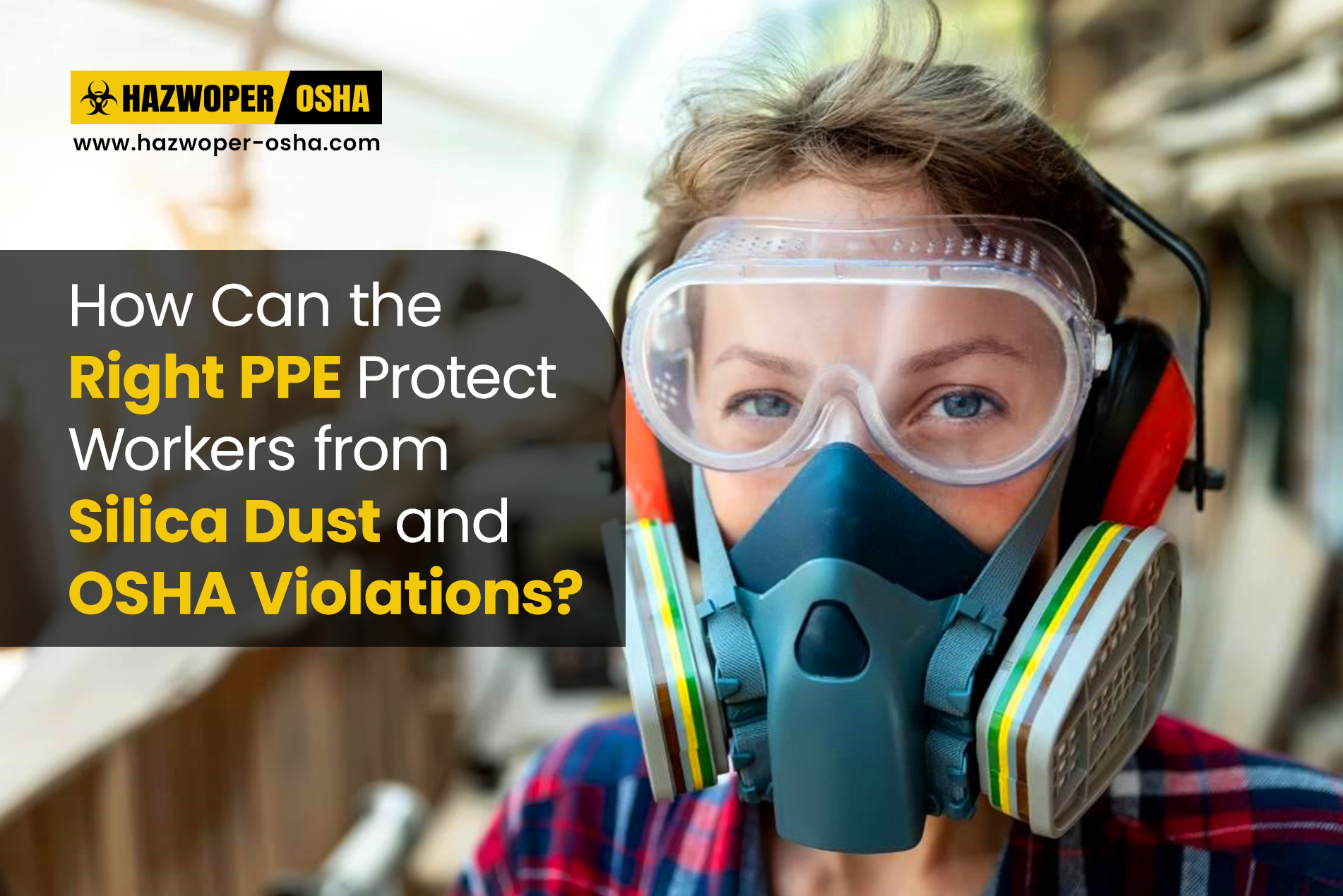
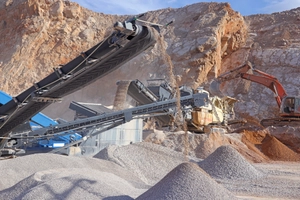
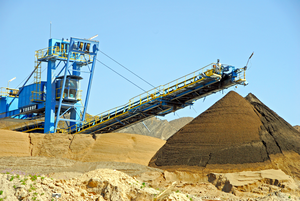
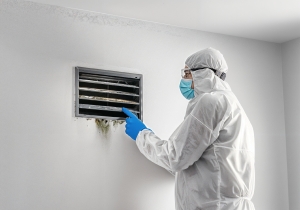
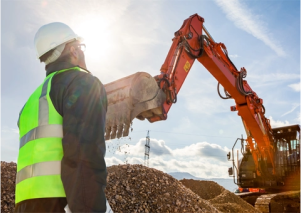
Read MoreHow Can the Right PPE Protect Workers from Silica Dust and OSHA Violations? Silica dust exposure remains one of the most serious occupational hazards in construction, mining, and manufacturing. Inhalation of respirable crystalline silica causes silicosis, an irreversible, incurable lung disease, along with increased risk of cancer, kidney disease, and autoimmune disorders. Understanding OSHA’s silica standards and implementing proper PPE is critical to regulatory compliance and workers health protection. Organizations that establish clear exposure control plans and source PPE solutions can significantly reduce occupational disease risk while strengthening their compliance posture. Organizations must ensure they are sourcing compliant safety equipment that aligns with site-specific exposure levels and regulatory obligations. OTEPLACE support this process by matching buyer requirements with compliant PPE options from multiple manufacturers, helping safety teams maintain consistency across projects while supporting audit and inspection readiness. The Health Impact of Silica Dust Exposure Silica dust consists of fine particles released when cutting, grinding, drilling, or crushing materials that contain crystalline silica. These particles are small enough to be inhaled deep into the lungs, where they cause scarring and inflammation over time. Health Risks Associated with Silica Exposure Documented health effects include: Silicosis (acute, accelerated, or chronic) Lung cancer Chronic obstructive pulmonary disease (COPD) Kidney disease Autoimmune disorders These outcomes are well-established by OSHA and NIOSH and may develop even when symptoms are not immediately apparent. Where Silica Hazards Exist in the Workplace Silica dust is generated across multiple industries wherever crystalline silica-containing materials are processed: 1. Construction: Cutting bricks, sanding drywall, demolishing concrete structures, grinding mortar, and abrasive blasting all generate significant silica dust. Trenching and excavation in silica-rich soil also poses exposure risk. 2. Mining: Drilling into rock formations, crushing ore, and transporting mined materials release respirable silica particles. Underground mining operations face particularly high concentrations due to poor ventilation. 3. Manufacturing: Glass production, ceramic manufacturing, engineered stone countertop fabrication, and foundry operations all involve silica dust generation. Other Industries: Sandblasting operations, stone masonry, tile cutting, and hydraulic fracturing in oil and gas operations present significant exposure hazards. Enclosed or poorly ventilated spaces amplify exposure concentrations. Without engineering controls and proper worker training, employees can inhale dangerously high levels of silica without recognizing the hazard. Understanding OSHA Silica Exposure Standards OSHA regulates crystalline silica exposure through two key metrics: Permissible Exposure Limit (PEL) OSHA limits silica dust exposure to 50 µg/m³ over an eight-hour shift. Employers must reduce dust levels through engineering controls, administrative measures, or PPE when exposure exceeds this threshold. Action Level If silica dust levels reach 25 µg/m³, OSHA requires exposure monitoring. Employers must assess risks, implement dust control methods, and provide PPE for silica dust to affected workers. If exposure remains at or above this level, employers must develop a written exposure control plan. This includes dust suppression methods, PPE requirements, and medical monitoring for workers. To ensure your team truly understands OSHA requirements like the Permissible Exposure Limit (PEL) and Action Level, consider OSHA’s Competent Person for Silica Training for in-depth instruction. Regulated Areas Areas exceeding the PEL must be designated as regulated areas. Access must be restricted to trained personnel wearing appropriate PPE. Clear signage and decontamination procedures are required to prevent cross-contamination. Assessing Silica Dust Exposure in Your Workplace Before selecting PPE, conduct a thorough exposure assessment. Part of an effective assessment includes training workers to recognize hazards, OSHA’s Silica Awareness Online Training builds essential knowledge on exposure risks and protective measures. Silica dust is generated during cutting, grinding, drilling, or crushing operations involving concrete, stone, sand, brick, glass, or engineered stone. Enclosed or poorly ventilated spaces significantly increase exposure risk. Develop baseline air sampling data and monitor exposure levels regularly. This assessment informs your PPE selection strategy and helps determine if engineering controls, such as local exhaust ventilation, wet dust suppression, or process substitution, can reduce exposure below the action level. PPE for Silica Dust Exposure 1. Respiratory Protection Respiratory protection is the most critical form of PPE for controlling silica exposure when engineering controls are insufficient. OSHA requires respirators to be selected based on exposure levels, task duration, and workplace conditions. N95 and P100 Respirators N95 Respirators filter at least 95% of airborne particles and provide basic protection in low-exposure environments. They are suitable for short-term tasks but not for prolonged or high-dust activities. P100 Respirators capture at least 99.97% of airborne particles and are required in environments where silica dust exceeds OSHA limits. Half-Mask and Full-Face Respirators Half-Mask Respirators with replaceable filters rated for fine particulates work well for high-exposure scenarios with moderate duration. Full-Face Respirators provide complete facial sealing and eye protection for workers with extended exposure to high silica concentrations. Powered Air-Purifying Respirators (PAPRs) PAPRs deliver filtered air using a battery-powered blower, reducing breathing resistance and improving comfort during long shifts. They are commonly used in high-dust or physically demanding environments. When sourcing respiratory protection, EHS teams must ensure products meet applicable OSHA and NIOSH requirements. OTEPLACE helps procurement and safety teams compare compliant respiratory solutions from multiple manufacturers while maintaining traceability for audits and inspections. Respirator Fit and Maintenance OSHA’s Respiratory Protection Standard (29 CFR 1910.134) requires: Annual fit testing for tight-fitting respirators Clean-shaven contact areas to ensure proper seal Regular cleaning, inspection, and proper storage of reusable respirators Improper fit or maintenance significantly reduces respirator effectiveness. 2. Protective Clothing Protective clothing prevents silica dust from settling on the skin or being transported outside regulated areas. Disposable coveralls are recommended for high-exposure tasks and should be removed before entering clean areas. Reusable work clothing made from tightly woven fabrics may be suitable for lower exposure environments, provided proper laundering controls are in place. Barrier creams may reduce skin irritation but should only be used as a supplemental measure. Employers should establish procedures to prevent contaminated clothing from leaving the worksite. 3. Gloves & Hand Protection Gloves reduce direct contact with dust-covered surfaces and help prevent hand-to-mouth exposure. Leather gloves are suitable for handling abrasive materials. Coated gloves improve dust resistance and ease of cleaning. Workers should remove gloves carefully and wash hands before eating, drinking, or smoking. 4. Eye and Face Protection Silica dust can cause eye irritation and injury. Safety glasses with side shields provide basic protection. Goggles offer a tighter seal for high-dust environments. Face shields protect against larger particles but must be worn with primary eye protection. Eye protection should meet ANSI Z87.1 requirements. 5. Foot Protection Dust accumulation on footwear can lead to contamination beyond regulated areas. Disposable boot covers are recommended for high-exposure zones. Foot-cleaning stations or mats help reduce dust transfer. Wet cleaning methods are preferred over compressed air, which can re-aerosolize silica. 6. Hearing Protection Silica exposure often coincides with high-noise operations. Disposable or reusable earplugs protect against moderate noise levels. Earmuffs provide higher noise reduction and may be combined with earplugs when necessary. Hearing protection should be selected based on site-specific noise assessments. Regulatory Training and Workforce Competency Requirements Silica exposure management is not limited to equipment selection. OSHA requires employers to ensure workers understand silica hazards, exposure risks, and protective measures. Under OSHA’s Respirable Crystalline Silica Standard (29 CFR 1910.1053) and Construction Standard (29 CFR 1926.1153), employers must provide training that covers: Health effects of silica exposure Tasks that could result in exposure Control measures and PPE use Medical surveillance requirements For operations involving hazardous substance exposure, emergency response, or cleanup activities, HAZWOPER (29 CFR 1910.120) training may also apply. Many organizations incorporate OSHA Silica Awareness Training into their broader HAZWOPER or safety training programs to ensure workers can recognize exposure risks and follow proper protective procedures. Effective silica control programs align training, PPE selection, and exposure monitoring to reduce incidents and maintain compliance. Creating a Compliance-Ready Safety Program Organizations that integrate OSHA-compliant training programs, including silica awareness, with carefully selected PPE are better positioned to reduce incidents and maintain regulatory readiness. Coordinated sourcing approaches, such as those supported by OTEPLACE, help align safety requirements with compliant equipment options from multiple manufacturers, supporting consistency across worksites. A well-managed silica control program strengthens workforce protection, improves compliance outcomes, and reinforces long-term safety performance. .fancy-line{width:60%;margin:20px auto;border-top:2px solid #116466;text-align:center;position:relative}.fancy-line::after{content:"✦ ✦ ✦";position:absolute;top:-12px;left:50%;transform:translateX(-50%);background:white;padding:0 10px;color:red}
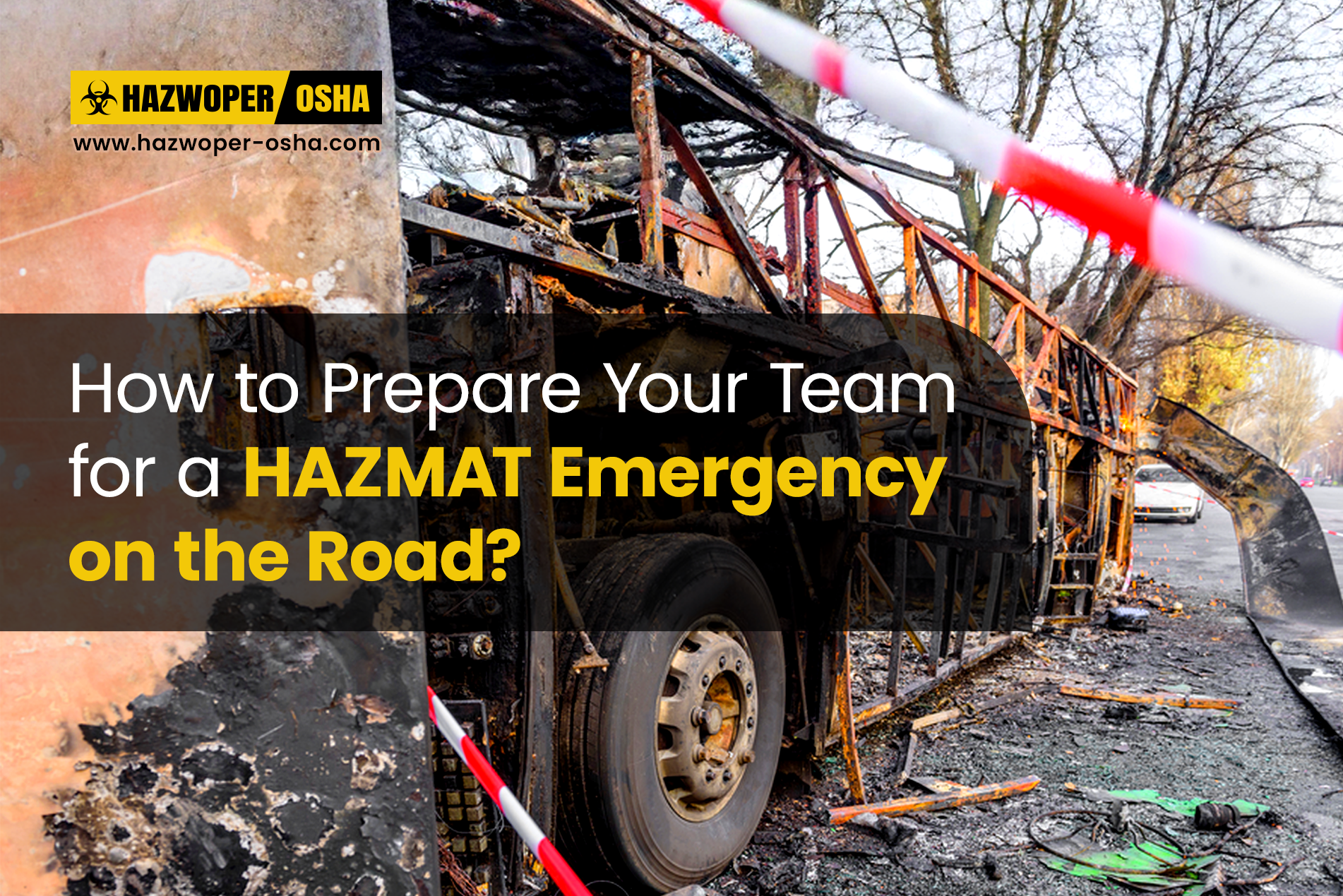
Read MoreHow to Prepare Your Team for a HAZMAT Emergency on the Road? Introduction: Transporting hazardous materials always carries risk, but the real danger emerges when an incident happens on the road, and your team is not ready to respond. A single collision, leaking container, or equipment failure can quickly escalate into injuries, property damage, shipment loss, and environmental contamination. For employers, these incidents are not just operational disruptions. They are direct tests of preparedness. Many HAZMAT emergencies worsen not because of the material itself, but because roles are unclear, response steps are delayed, or drivers lack practical guidance in high-pressure situations. When teams hesitate or act inconsistently, exposure increases, and control is lost. Preparation, in this context, is not about reacting faster. It is about removing uncertainty before an incident occurs. Employers play a critical role in shaping, how their teams respond on the road. Clear responsibilities, practical response training, and the right equipment can significantly reduce escalation during a roadside emergency. This article breaks down how employers can prepare their HAZMAT transport teams with actionable steps that support confident decision-making, effective communication, and safer outcomes when incidents occur. Why Roadside HAZMAT Emergencies Demand Preparation Roadside hazardous materials (HAZMAT) emergencies are uniquely challenging and require deliberate preparation from employers. Unlike incidents inside controlled facilities, emergencies on the road occur in unpredictable, dynamic environments. This makes a quick, coordinated response essential to prevent escalation and protect people, property, and the environment. Several factors briefly explained below, make roadside HAZMAT incidents specially demanding: Uncontrolled Environment: Roads expose incidents to variable weather, heavy traffic, and nearby civilians. These conditions complicate containment efforts and increase the risk of secondary accidents or exposure to hazardous substances. Limited Resources: Unlike fixed sites, roadside teams often lack immediate access to specialized emergency equipment, backup personnel, or hazmat response units. For example, drivers may not have containment kits or protective gear readily available, placing greater responsibility on employers to prepare and equip their teams effectively. High Stakes of Delay or Confusion: When an incident occurs, hesitation or unclear roles can cause delays in critical response actions. Such delays increase the likelihood of spills spreading, fires igniting, or harmful exposure to the public and first responders. For instance, a driver unsure whether to isolate the scene or wait for instructions can inadvertently worsen the situation. Public & Environmental Safety: Roadside incidents often occur in close proximity to moving traffic, pedestrians, and the surrounding environment. This increases the risk of secondary accidents, injuries to bystanders, and environmental contamination if hazards are not quickly and properly controlled. Legal, Financial & Reputational Liability: Ineffective or inconsistent incident response can expose employers to significant legal liability, regulatory penalties, financial losses, and reputational damage if injuries, fatalities, or environmental harm occur as a result of poor safety management. Operational Disruption and Business Impact: For employers, the impact of a roadside HAZMAT emergency extends far beyond the immediate incident. Injuries to drivers or the public, damage to vehicles and cargo, and delivery schedule disruptions can quickly strain operations. Even seemingly minor leaks or collisions can escalate into extended downtime when teams are unsure how to assess the situation, communicate internally, or secure the area effectively. As uncertainty persists, exposure increases, amplifying operational disruption, recovery costs, and overall business risk. What are the Most Common HAZMAT Road Emergencies? Recognizing the most frequent roadside HAZMAT emergencies helps employers tailor training and response plans that save lives and limit damage. These incidents often overlap, making preparation for combined risks essential. Vehicle Collisions Involving Hazardous Materials Collisions are the most common and dangerous incidents. For example, in Medina County, Ohio, a tanker truck carrying thousands of gallons of ethanol jack-knifed and crashed on Interstate 271, spilling an estimated 4,000 gallons of ethanol onto the roadway and median. The spill required a significant emergency response to contain the hazardous material and manage traffic disruption. In such situations, a driver might need to quickly decide whether to evacuate the area, secure the scene, or initiate containment efforts. Employers should train drivers on emergency scene management, hazard assessment, and the thresholds for when to call specialized responders to help ensure public safety and minimize escalation risk. Employers should train drivers on emergency scene management, hazard assessment, and when to call specialized responders. Leaks, Spills, and Container Failures Small leaks or container failures may start unnoticed but can rapidly cause toxic exposure or environmental damage. Drivers must know how to spot early signs, such as unusual odors or stains, and use proper containment kits if available. Employers should ensure teams follow clear reporting and containment protocols to reduce harm and operational delays. A stark example occurred inDecember 2024, when a tanker transporting concentrated sodium hydroxide (caustic soda) began leaking while traveling along the Purwakarta–Padalarang road in West Bandung Regency, Indonesia. The driver continued driving for several kilometers, allowing approximately 20 tonnes of hazardous chemicals to spill over an 8-kilometer stretch of roadway. The delay resulted in injuries to more than 100 people, including severe chemical burns, and damaged over 1,000 vehiclesdue to corrosion and vapor exposure. This incident highlights how delayed recognition and response can dramatically amplify harm. Employers should ensure drivers are trained to stop immediately at the first sign of a leak, follow reporting protocols, and use containment measures when available to reduce exposure, environmental damage, and operational downtime. Fires, Explosions, and Chemical Reactions During Transit Hazmat materials can ignite or react violently due to impact, heat, or incompatible substances. Warning signs like smoke, unusual sounds, or heat build-up require immediate action. Drivers must be trained to evacuate safely and communicate clearly. Employers should emphasize strict adherence to emergency procedures and coordination with emergency services. How to Clarify Roles and Responsibilities for Effective HAZMAT Response Clear definition of roles and responsibilities before a HAZMAT emergency is critical for a swift and organized response. Employers must designate decision-making authority often assigning drivers to manage immediate on-site actions while safety officers or management handle broader strategic decisions. This clarity prevents hesitation and conflicting orders during high-pressure situations. Drivers should be trained as first responders to assess hazards, secure the scene if safe, initiate emergency notifications, and use available containment tools like spill kits. Meanwhile, support teams, including dispatch, safety personnel, and management, coordinate resource deployment, communicate with external responders, and oversee regulatory compliance and post-incident reviews. Establishing clear communication protocols, designated contacts, and escalation paths in advance ensures seamless coordination and accountability throughout the response. What Your Team Should Know for Practical Emergency Response Effective training prepares your team to respond confidently and correctly during roadside HAZMAT emergencies. Practical instruction focused on early hazard recognition and immediate response steps can significantly reduce risks and damage. Recognizing Warning Signs and Early Hazard Indicators Training should help drivers and support staff identify specific warning signs, such as unusual chemical odors, visible leaks or stains on containers, damaged packaging, smoke or vapor clouds, and discoloration of surrounding materials. Early recognition allows teams to quickly assess risks and take necessary precautions before situations escalate. Immediate Actions to Reduce Exposure and Escalation Once hazards are identified, teams must respond swiftly to contain risks and protect themselves and others. Immediate actions include evacuating the area if necessary, setting up warning devices like cones or flares to secure the scene, and using available spill containment materials such as absorbent pads or booms. Promptly communicating with dispatch and emergency responders following established protocols ensures coordinated assistance and faster resolution. Regular drills and refresher training help maintain readiness and ensure these response steps become second nature during high-pressure situations. Proper training turns uncertainty into confidence, enabling your team to respond effectively when every second counts. Investing in practical, scenario-based instruction not only safeguards your people and assets but also strengthens overall operational resilience. Equip Vehicles and Teams for Emergency Readiness Hazmat transport vehicles must be fully outfitted with essential emergency response equipment designed to handle a variety of hazardous incident scenarios safely and effectively. This equipment includes spill containment kits, absorbent materials, chemical-resistant gloves and suits, fire extinguishers rated for chemical fires, breathing apparatuses, and reliable communication devices such as radios or emergency alert systems. Each item must comply with regulatory standards and undergo regular inspections to ensure readiness and functionality. Equally important is comprehensive training for all personnel. Teams need instruction on proper use of personal protective equipment (PPE), safe handling of emergency tools and equipment, and conducting thorough vehicle inspections before and during transport. This combined approach ensures that both vehicles and responders are prepared to act swiftly and safely, minimizing risks to themselves, the environment, and the public in case of spills, leaks, or accidents. Documentation and Reference Materials Drivers Must Carry Compliance with hazardous materials regulations mandates that drivers carry essential documentation at all times during transport. This includes shipping papers detailing the contents and hazards of the materials being transported, emergency response guides (ERG), and safety data sheets (SDS) for chemicals on board. Driver Responsibility: It is the driver’s responsibility to ensure these documents are accurate, up-to-date, and readily accessible throughout the transport. Drivers must be trained to understand the significance of each document, how to interpret the information, and the proper procedures for presenting these materials to emergency responders when needed. Recommended Training: HAZMAT and hazardous materials safety training programs provide drivers with the knowledge required to manage these documents effectively. Such training typically covers documentation protocols, emergency response procedures, and regulatory compliance requirements. This ensures drivers can confidently handle documentation under normal conditions and in emergency situations, supporting safe and compliant transport of hazardous materials. Conclusion: Preparing your team for roadside HAZMAT emergencies isn’t just about compliance it’s about protecting lives, preserving your company’s reputation, and minimizing costly disruptions. When employers invest in clear roles, practical training, and the right equipment, they build a culture of confidence and readiness that turns potential disasters into manageable incidents. The difference between chaos and control often comes down to how well your team is prepared before the first warning sign appears. Take action today because safety is the strongest asset your business can have on the road. .fancy-line{width:60%;margin:20px auto;border-top:2px solid #116466;text-align:center;position:relative}.fancy-line::after{content:"✦ ✦ ✦";position:absolute;top:-12px;left:50%;transform:translateX(-50%);background:white;padding:0 10px;color:red}
Read MoreAre Health Hazards in Mining Under‑Reported? Introduction In mining environments, many health hazards go under-reported because occupational illnesses often develop gradually and lack immediate, visible symptoms. Unlike acute injuries that demand quick attention, conditions such as respiratory diseases from prolonged dust exposure, noise-induced hearing loss, and musculoskeletal disorders from repetitive strain evolve silently, making it difficult to directly link them to specific workplace tasks or exposures. This creates blind spots in how risks are perceived and measured at the operational level, leaving employers with incomplete health data. These hidden gaps can distort an employer’s understanding of actual workplace conditions, leading to delayed interventions, rising absenteeism, decreased workforce productivity, and avoidable long-term costs like increased medical expenses and staff turnover. For mining employers, recognizing where and why these health risks go unreported is essential not only for protecting worker health but also for maintaining operational continuity and managing costs effectively. This article explores the root causes of under-reporting in mining, the operational and cultural barriers that contribute to it, the long-term impacts on employers, and practical strategies to identify and address these challenges proactively. By understanding these factors, employers can make more informed decisions to safeguard their workforce and sustain efficient, safe operations. Are Health Hazards in Mining Under‑Reported and why it Matters? While mining health hazards are widely recognized, many remain under‑reported because industry reporting systems and workplace practices focus primarily on accidents and short‑term injuries. Employers typically rely on injury logs and incident reports designed to capture immediate, visible events, but these tools often miss gradual, exposure‑related conditions that develop over extended periods. As a result, hazards such as respiratory diseases, noise‑induced hearing loss, and musculoskeletal disorders frequently go unnoticed because they do not produce obvious symptoms or trigger operational interruptions. This creates a persistent gap between recorded data and actual workplace risk, making under‑reporting a systemic issue driven by monitoring limitations and workplace priorities rather than intentional oversight. What Health Risks Are Most Often Missed in Mining Operations Many of the most serious occupational health risks in mining are not immediate or dramatic but develop gradually after years of routine exposure. Because symptoms often emerge slowly, appear intermittently, or resemble common ailments or job-related discomfort, these conditions are frequently underestimated or go unreported in both surface and underground mining operations. Respiratory Risks from Dust and Diesel Particulates Respiratory diseases remain among the most commonly overlooked long-term health risks in mining. Prolonged exposure to respirable silica, coal dust, diesel exhaust particulates, and other airborne contaminants generated during drilling, blasting, crushing, and material handling can lead to silicosis, pneumoconiosis, chronic bronchitis, and chronic obstructive pulmonary disease (COPD). Early symptoms such as coughing, throat irritation, or mild shortness of breath are often mistaken for allergies, seasonal illness, or temporary discomfort, leading workers to self-manage rather than report concerns. Underground mining environments generally pose higher respiratory risks due to limited ventilation and concentrated diesel emissions, while surface mining still presents significant exposure through dust-generating activities. Spot exposure measurements may indicate short-term compliance but often fail to capture cumulative exposure over weeks or months, delaying diagnosis and prevention efforts. Noise-Induced Hearing Loss Noise-induced hearing loss is another frequently underreported occupational illness in mining. Equipment such as drills, crushers, haul trucks, and ventilation systems routinely generate sound levels that exceed safe exposure limits. Hearing damage develops gradually and painlessly, with early warning signs such as ringing in the ears or difficulty following conversations often dismissed as age-related or temporary. Underground mining can amplify noise exposure due to confined spaces that reflect sound, while surface mining workers may experience prolonged exposure during extended equipment operation. Without consistent audiometric testing and employee awareness programs, progressive hearing loss often remains undocumented until it becomes permanent. Musculoskeletal Disorders (MSDs) Musculoskeletal disorders are commonly normalized as “part of the job” and therefore underreported. Repetitive tasks, heavy lifting, awkward postures, and whole-body vibration from machinery place continuous strain on the body. Early symptoms such as joint stiffness, back pain, or reduced mobility are frequently dismissed as routine discomfort rather than recognized as occupational health issues. Both surface and underground mining tasks contribute to cumulative musculoskeletal stress, whether through equipment operation, confined-space work, or manual material handling, eventually leading to chronic pain, reduced work capacity, or long-term disability. Low-Level Chemical Exposure Chronic, low-level exposure to fuels, lubricants, solvents, explosive residues, and processing chemicals can result in intermittent symptoms such as skin irritation, eye discomfort, or respiratory irritation. Because these effects are often mild or episodic, workers may attribute them to non-work-related causes and fail to report them. While chemical exposure risks exist in both surface and underground operations, underground environments may increase exposure severity due to reduced air circulation and longer contact durations. Why These Risks Often Go Under-Reported Several factors contribute to the underreporting of long-term health risks in mining: Symptoms develop slowly or appear intermittently, making them easy to normalize Workers may fear stigma, job security concerns, or negative consequences from reporting Employers may rely on reactive or short-term monitoring rather than proactive health surveillance Without targeted medical monitoring, task-specific exposure assessments, and early intervention strategies, these slow-developing health risks remain largely invisible, limiting employers’ ability to prioritize prevention and protect long-term worker health. Why Is Under-Reporting of Mining Health Hazards a Growing Concern for Employers? Under-reporting of health hazards in mining is increasingly concerning because its impact extends beyond worker well-being to threaten overall operational stability. When health risks go undetected, employers lose the ability to anticipate critical workforce challenges such as rising absenteeism, decreased productivity, and higher turnover, especially in physically demanding roles. Over time, untreated occupational illnesses worsen, driving up medical costs and complicating workforce planning efforts. Incomplete or inaccurate health data can create a false sense of safety. Employers may overestimate the effectiveness of existing controls, such as personal protective equipment (PPE), ventilation systems, or ergonomic practices, or underestimate risks associated with specific tasks. This misplaced confidence often delays necessary investments in equipment upgrades, process improvements, or employee training, quietly eroding productivity and increasing long-term operational costs. In a competitive mining environment where efficiency and continuity are vital, overlooking emerging health risks can significantly undermine business performance. How Widespread Is Occupational Illness Under-Reporting in Mining Operations? Quantifying the full extent of occupational illness under-reporting in mining is challenging because many cases never enter formal reporting systems. Chronic conditions often go unrecorded until symptoms become severe, at which point the connection to workplace exposures may be unclear. Additionally, some workers seek medical care outside company channels without notifying their employer, further limiting visibility into workplace health trends. Identifying Signs of Under-Reporting Employers can assess under-reporting by monitoring indirect indicators such as: Common Indirect Indicators Include: Frequent short-term absences without clear causes Increased requests for job transfers away from physically demanding roles Declining performance or productivity in specific teams or tasks Discrepancies between known exposure risks and reported health issues Tracking these patterns through regular health audits, employee surveys, and performance reviews provides practical insights into hidden health hazards that formal reporting misses. The Need for Proactive Health Monitoring Addressing under-reporting requires a deliberate shift toward proactive health surveillance. Implementing targeted medical screenings, continuous exposure monitoring, and open communication channels can help employers detect early signs of illness and intervene before conditions worsen. Leveraging emerging technologies such as wearable sensors and digital health records also supports more accurate and timely data collection, empowering employers to safeguard worker health while maintaining operational efficiency. Why Do Mining Health Hazards Go Under-Reported at the Employer Level? Mining health hazards often go under-reported not because of neglect, but due to employer systems and priorities that focus mainly on immediate, visible incidents rather than gradual or less obvious risks. Operational and Cultural Barriers to Accurate Reporting In fast-paced mining environments, minor health complaints are frequently dismissed as normal discomfort. Workers may hesitate to report symptoms fearing job insecurity or stigma, while supervisors prioritize urgent safety issues over chronic health monitoring. This culture normalizes under-reporting and reduces early detection of emerging health concerns. Production Pressure and Downtime Concerns Because health issues rarely cause immediate work stoppages, workers and managers often delay reporting to maintain productivity and avoid downtime. Production targets can unintentionally suppress hazard reporting, allowing risks to persist unnoticed. Insufficient Health Monitoring Systems Many employers rely on reactive data such as medical visits or lost-time cases that fail to capture early symptoms or cumulative exposures. Without proactive health surveillance methods like regular screenings or exposure tracking, health data remains fragmented, hindering timely interventions. Regulatory Surveillance Limits Regulatory oversight also contributes to under-reporting, as regulators largely depend on employer-submitted data and lagging indicators to assess workplace health risks. Compliance with exposure limits and successful inspections do not necessarily provide visibility into cumulative or long-term exposure patterns. As a result, meeting regulatory requirements may create a false sense of assurance, even when gradual health risks remain unrecognized. Passing inspections confirms adherence to standards at a point in time, but it does not guarantee that all health hazards are being fully captured or managed. Recognizing and addressing these employer-level barriers through improved reporting culture, realistic production planning, and comprehensive health monitoring is essential to uncover hidden risks and protect workforce health effectively. How Can Employers Identify Signs of Under-Reported Health Hazards in Mining? Identifying under-reported health hazards in mining requires moving beyond traditional incident reports and injury statistics to recognize early, indirect signals of risk. Because many occupational health issues develop gradually and remain unreported until they become severe, employers must actively look for patterns and behaviors that indicate emerging health concerns. By monitoring operational trends, workforce behaviors, and informal feedback, employers can uncover hidden exposures and intervene earlier, supporting a more proactive and effective health monitoring strategy. The Need for Proactive Health Monitoring Addressing under-reporting requires a deliberate shift toward proactive health surveillance. Implementing targeted medical screenings, continuous exposure monitoring, and open communication channels can help employers detect early signs of illness and intervene before conditions worsen. Leveraging emerging technologies such as wearable sensors and digital health records also supports more accurate and timely data collection, empowering employers to safeguard worker health while maintaining operational efficiency. Conclusion: In mining, many health hazards remain hidden due to gradual symptom onset, workplace culture, and operational pressures. Recognizing and addressing under-reporting is essential not just for compliance, but also for protecting workforce health, productivity, and long-term costs. By bridging the gap between perceived and actual risks through proactive monitoring and communication, employers can create safer, more resilient operations. Supporting this effort with targeted training helps build hazard awareness and early reporting. Courses like Confined Space Training, Hydrogen Sulfide (H2S) Awareness, Hazard Communication & GHS Training , OSHA PPE Training, and ergonomics safety training provide practical knowledge that empowers workers and strengthens safety culture. Integrating these courses helps detect risks earlier and supports sustained operational success in mining. .fancy-line{width:60%;margin:20px auto;border-top:2px solid #116466;text-align:center;position:relative}.fancy-line::after{content:"✦ ✦ ✦";position:absolute;top:-12px;left:50%;transform:translateX(-50%);background:white;padding:0 10px;color:red}
Read MoreWhat Does a “Qualified” SWPPP Practitioner Really Mean? Introduction: Many employers assume a “qualified” SWPPP practitioner is simply someone familiar with stormwater tasks. But true qualification goes far beyond basic knowledge. It requires a professional who can thoroughly evaluate a site, select appropriate controls, and guide crews, so the stormwater plan works effectively in the real world. A qualified practitioner understands how grading, soil types, traffic flow, and daily work activities influence runoff and they spot small but critical details that can make or break compliance. In contrast, unqualified practitioners often produce plans that look complete on paper but fall apart during construction. A poorly placed inlet protection, for example, can clog within a day, causing sediment-laden water to back up, trigger inspection failures, and force crews into costly rework. Regulatory expectations (NPDES requirements and state-specific permit language) also mean that “qualified” carries legal as well as practical implications, making expertise non-negotiable for employers. This article helps employers understand what “qualified” truly means. You’ll learn which skills and experience matter most, how to spot competent practitioners, and why having the right expertise leads to smoother, safer project execution. Why Hiring an Unqualified Practitioner Costs More Than You Think? A weak SWPPP can trigger fines, stop-work orders, rework, and schedule loss, not to mention environmental harm. Regulatory risk emerges quickly when controls fail, or documentation is incomplete. Unqualified practitioners often overlook permit requirements, leading to failed inspections, Notice of Violation letters, or even escalated enforcement under state NPDES programs. Once regulators flag a site, oversight intensifies and so does the penalties. Operational and financial risks follow close behind. Crews may be forced to redo installations, halt work while controls are corrected, or address preventable tracking and runoff problems. These interruptions drive up labour costs, extend equipment rentals, and create fertile ground for contractor claims and schedule delays. Reputational and environmental risks can be just as damaging. Offsite sediment releases can impact nearby waterways or storm drains, drawing community complaints and tarnishing the project’s standing with local agencies. Real-world examples highlight how quickly things can go wrong. In one widely cited construction case, runoff from an unprotected soil stockpile during a rain event sent sediment into a nearby creek, prompting regulators to issue fines and require immediate corrective actions costing the contractor time, money, and credibility. Hiring a truly qualified practitioner is the first step in avoiding these risks and ensuring your stormwater strategy supports the next stage of successful project execution. What “Qualified” Means in SWPPP Development? A qualified SWPPP practitioner brings the technical skill and on-the-ground awareness needed to manage stormwater risks before they disrupt work. What Is the Purpose of SWPPP Expertise? A qualified SWPPP practitioner gives employers confidence that stormwater controls will function effectively under real site conditions. Their role goes beyond drafting a plan. They provide clear, actionable instructions that crews can follow. Their insight also strengthens stormwater risk management. They tailor controls to fit the site’s layout, anticipate how work activities influence runoff, and help employers avoid wasted time and costs caused by ineffective or generic measures. What Knowledge Must a Qualified Practitioner Demonstrate? A qualified SWPPP practitioner must demonstrate competence across three core areas: technical skill, operational judgment, and regulatory/documentation proficiency. Technical Competence Practitioners must be able to accurately assess site conditions and understand how stormwater will move across the terrain. This includes: Interpreting hydrology and drainage patterns Evaluating soil types, slopes, and runoff pathways Identifying pollution sources such as stockpiles, equipment routes, and staging areas Selecting appropriate BMPs across all categories, including erosion control, sediment control, inlet protection, and site stabilization This technical foundation ensures BMPs are not generic but tailored to the project’s specific risks and conditions. Operational Judgment A qualified practitioner must make practical field decisions that keep the project compliant and efficient. This involves: Sequencing controls in a way that aligns with construction phases Evaluating constructability so crews can realistically install and maintain BMPs Providing clear, crew-level instructions that translate technical requirements into actionable steps Planning for maintenance and anticipating how site changes affect BMP performance Strong operational judgment helps prevent compliance issues before they occur. Regulatory & Documentation Competency Practitioners also need a working understanding of regulatory requirements and recordkeeping expectations, including: Familiarity with applicable Construction General Permit (CGP) and NPDES requirements Maintaining accurate inspection logs and corrective-action documentation Ensuring the SWPPP is up-to-date, accessible on-site, and consistent with permit conditions This competency ensures the project remains compliant and prepared for inspections at any time. What Are the Core Responsibilities of a Qualified SWPPP Practitioner? Qualified practitioners carry three main responsibilities: Conducting a thorough site evaluation They evaluate the site and observe layout, slopes, soil types, and drainage. They identify natural water flow paths and pollution sources that generic plans might overlook. Designing a customized SWPPP Using their site evaluation, they create a tailored plan with BMPs matched to terrain, timeline, and weather. Clear instructions show where controls go and how crews install and maintain them. This clarity reduces errors and increases compliance. Managing documentation and reporting They prepare written plans, create detailed maps, and track inspections and maintenance. Accurate records support accountability, ease plan review, and help update controls as conditions change. How Does a Qualified Practitioner Conduct a Complete Site Evaluation? Before selecting any controls, a qualified practitioner performs a detailed site evaluation to ensure the stormwater plan matches actual field conditions, saving employers time, rework, and compliance headaches. Walks the entire site to understand the overall layout, work zones, and construction sequencing. Assesses slopes and grading to determine how water will flow, pond, or disperse during storms. Evaluates soil types to predict erosion potential and choose appropriate stabilization and sediment controls. Maps natural drainage patterns and identifies low spots, flow paths, and potential discharge points. Locates pollution sources such as stockpiles, on-site fuel storage tanks, washout Stations, or heavy equipment routes. Identifies site-specific risks that generic plans typically miss, such as access-road tracking, unprotected slopes, or conflicting work activities. This comprehensive evaluation ensures the resulting SWPPP is tailored to real-world conditions, helping employers avoid costly rework, failed inspections, and operational disruptions. What Does Designing the SWPPP Involve? Using site evaluation, the practitioner designs a SWPPP tailored to the project’s unique needs. This includes selecting best management practices (BMPs) that suit the terrain, construction timeline, and expected weather. A well-designed SWPPP clearly shows where controls will be placed and explains how crews should install and maintain them. The goal is to produce a plan that workers can easily understand and follow, reducing errors and confusion. Employers benefit from this clarity, as it increases the likelihood of smooth implementation and fewer stormwater-related site problems. What Are the Practitioner’s Documentation and Reporting Responsibilities? A qualified practitioner manages all necessary documentation and record-keeping. This includes preparing the written SWPPP, creating detailed maps, and tracking inspections and maintenance activities. Accurate documentation gives employers a clear record of stormwater controls and actions taken to prevent pollution. It supports accountability and simplifies plan review and updates as site conditions change. How to Become a Qualified SWPPP Practitioner A qualified SWPPP practitioner plays a critical role in keeping construction sites compliant, protected, and well-managed. Understanding the pathway to qualification helps both new practitioners and employers ensure the right skills and standards are in place from day one. Quick Roadmap (for Practitioners) Becoming a capable SWPPP practitioner follows a straightforward progression: build foundational knowledge, complete formal training, gain supervised field experience, assemble proof of competency, and stay current with permit requirements. Basic Education Begin with relevant civil, environmental, or construction-related education or equivalent on-the-job training to understand soils, runoff behavior, and jobsite operations. Formal Courses/Certifications Advance your skills by completing recognized programs such as Construction General Permit (CGP) SWPPP training, Certified Inspector of Sediment and Erosion Control (CISEC), Certified Professional in Stormwater Quality (CPSWQ), or state-specific credentials like California’s Qualified SWPPP Practitioner (QSP) and Qualified SWPPP Developer (QSD). 12–24 Months of Mentored Site Experience Work under an experienced professional to conduct site evaluations, select BMPs, complete inspections, update SWPPPs, and document corrective actions. Assemble a Professional Portfolio Include a redacted SWPPP, inspection logs, BMP installation photos, and at least one corrective-action example to demonstrate competency to potential employers. Ongoing CE & Permit Familiarization Maintain your qualification through continuous learning, reviewing updated permits, and staying current with BMP standards and local regulatory changes. Employer Verification Checklist (for Hiring) Request a redacted SWPPP + site map Ask for an inspection log and one corrective-action example Check references for similar project types Confirm state/local permit training, such as CA QSP/QSD, if required Require a brief practical deliverable, like a short site evaluation with photos Becoming a qualified SWPPP practitioner is about documented capability, not a universal license. Meeting project-owner and permit standards through proven knowledge, field experience, and strong communication is what truly defines a qualified professional in stormwater compliance. Conclusion: A truly qualified SWPPP practitioner makes all the difference in managing stormwater risks effectively. Employers benefit when these professionals combine thorough site evaluation, tailored plan design, and clear documentation. This expertise helps prevent costly delays, protects the site from pollution, and keeps working smoothly. Choosing the right practitioner means looking beyond basic familiarity. It means finding someone with proven training, real project experience, and strong communication skills. These qualities ensure the stormwater plan works in practice, not just on paper. Understanding what “qualified” really means empowers employers to make smarter hiring decisions. This leads to safer, more efficient projects and reduces the risk of costly problems. For those seeking to build this expertise, the Qualified SWPPP Practitioner (QSP) Training offer practical knowledge and skills needed to develop and manage effective stormwater programs. It’s a solid step toward protecting your site and your investment. .fancy-line{width:60%;margin:20px auto;border-top:2px solid #116466;text-align:center;position:relative}.fancy-line::after{content:"✦ ✦ ✦";position:absolute;top:-12px;left:50%;transform:translateX(-50%);background:white;padding:0 10px;color:red}
Read MoreWhen Do You Need SCBA vs. Supplied-Air Respirators? Introduction: Choosing the right respiratory protection is critical for keeping workers safe in hazardous environments. Employers often weigh two main options: Self-Contained Breathing Apparatus (SCBA) and Supplied-Air Respirators (SAR). While both deliver clean air, they operate very differently and suit distinct workplace conditions. The safety and productivity of your workforce depend on selecting equipment that fits the specific hazards and work scenarios they face. Using the wrong type of respirator can lead to serious health risks, operational delays, or costly compliance issues. For example, relying on supplied air in an environment where the air supply can be compromised puts workers at risk. Conversely, using SCBA for long-duration tasks may cause unnecessary fatigue and limit efficiency. In this blog, we break down key differences between SCBA and SAR, explore workplace conditions favoring each, and offer practical guidance on evaluating factors like hazard type, mobility needs, and air supply duration. Read on to gain the clarity you need to protect your workforce with the most effective respiratory safety solution. What Is the Function and Design of SCBA? A Self-Contained Breathing Apparatus (SCBA) consists of the following components: High-pressure air cylinder Pressure regulator Facepiece or full mask Harness assembly Low-air warning alarm SCBA provides complete independence from the surrounding environment. The user carries a high-pressure air cylinder on their back, which feeds clean air through a regulator to a tight-fitting facepiece. This self-contained design ensures workers remain protected even when ambient air is extremely hazardous or oxygen-deficient. SCBA is specifically engineered for IDLH (Immediately Dangerous to Life or Health) conditions such as toxic gas leaks, confined spaces with low oxygen, or fire-related smoke. In these scenarios, relying on external air would be unsafe or impossible. SCBA components support emergency readiness, mobility, and immediate hazard protection. The alarm system alerts the user when cylinder pressure drops to a critical level a key safeguard for emergency operations. How Does a Supplied-Air Respirator System Deliver Clean Air? Supplied-Air Respirators (SAR), also called airline respirators, deliver clean air from a remote source, usually a compressor or compressed air cylinders, through a hose connected to the worker’s facepiece. Because users are tethered to the air source, mobility is limited to the hose length. However, SAR provides a major advantage: a continuous, long-duration air supply, making it ideal for extended tasks in controlled environments. Typical Components of SAR Systems: Remote air supply (compressor or cylinders) Air delivery hose Pressure regulator Facepiece or mask Optional escape cylinder for emergency egress Because SAR relies on an external air source, the system requires careful monitoring. The optional escape cylinder provides a crucial safety backup if the hose is damaged or the air supply is interrupted. Ideal Uses for SAR: Long-duration, non-emergency work. Tasks in stable environments where contaminants are present but not at immediately dangerous to life or health (IDLH) levels. Fixed or semi-fixed workstations such as painting booths, chemical processing lines, and maintenance areas. What Hazards Require the Use of SCBA? SCBA is the preferred choice for hazards that pose immediate risks to worker health and survival. These include: Toxic or corrosive gases released during leaks, spills, or chemical reactions Oxygen-deficiency such as in areas of storage tanks, silos, pits, or sealed rooms Fire-related smoke, which contains particulates and gases that are harmful even at low exposure levels Unstable atmospheres, such as those found during confined space entry, when materials can release gases unpredictably. Risks & Limitations of SCBA SCBA provides only a limited air supply, typically allowing 30–60 minutes of use depending on workload and cylinder size. The equipment is heavy and bulky (roughly 20–30 pounds), which can limit mobility, especially in confined spaces, and contribute to fatigue or heat stress in the wearer. Users must achieve a proper face‑piece seal for SCBA to be effective; facial hair, poor fit, or incorrect donning can compromise protection. SCBA does not protect against skin or eye hazards. Additional protective clothing or gear may be needed if chemical contact or splashes are possible. What are the Key Advantages of SCBA in Emergency Situations? Mobility: Because SCBA is self‑contained and does not require a hose tethered to a remote air source, workers can move freely even in tight or obstructed spaces. For example, a rescue team entering a manhole during a collapse can maneuver through confined space without hose restrictions. Consistent Protection: SCBA provides a reliable, independent air supply that remains unaffected by sudden changes in atmospheric conditions such as unexpected toxic gas release or oxygen depletion. This is crucial when maintenance crews inspect a vessel with unknown air conditions. Rapid Response and Emergency Escape: In emergencies, for example, when responders confront smoke‑filled areas in a fire, SCBA allows personnel to enter, evacuate, or rescue victims quickly without needing to disconnect from an external air supply. These combined benefits make SCBA the safest option for employers when workers must operate in unpredictable or high-hazard environments where air quality cannot be controlled or verified. When Are Supplied-Air Respirators More Suitable Than SCBA? SAR is best suited for controlled settings where workers stay within a defined area, and a secure air source can be positioned outside the hazard zone. Ideal environments include: Large construction or manufacturing sites with stable atmospheric conditions Workstations used for painting, coating, or chemical handling Tasks requiring prolonged respiratory protection without the need for full mobility SAR provides reliable protection where contaminants are present, but conditions are not immediately dangerous to life or health. What Limitations and Risks of SAR? While SAR offers strong advantages, employers must plan for its limitations: Restricted mobility: Air hoses limit movement and may create tripping hazards. Dependence on external supply: Any interruption in the remote air source can impact worker safety. Emergency escape needs: Workers require an escape respirator in case of air supply failure. Air quality control: The external air source must meet OSHA Grade D breathing air requirements. Evaluating these factors helps employers use SAR safely and choose it appropriately over SCBA when hazards and task duration allow. What Factors Should Be Evaluated Before Selecting Respiratory Protection? Employers should begin with a thorough hazard assessment that includes: Airborne hazard type and concentration (toxic gases, vapors, particulates, or oxygen-deficient conditions). Duration of exposure, including whether the work requires short entry, extended tasks, or continuous shifts. Physical and mobility demands of the job. Work environment characteristics, such as confined spaces, open-air areas, or fixed workstations. Reliability of air supply, especially when considering SAR systems. This evaluation ensures the selected respirator aligns with both the risk level and practical work needs. How Can Risk Management Influence Respirator Choice? Effective risk management goes beyond basic hazard identification. Employers should: Conduct air monitoring and identify potential changes in atmospheric conditions. Evaluate worst-case scenarios, such as sudden chemical release or system failure. Plan for emergencies by having backup respirators, escape cylinders, and alternate air sources available. Review the job site regularly to ensure chosen respirators remain appropriate as conditions evolve. Integrating risk management into respirator selection ensures workers stay protected even when hazards shift unexpectedly. Conclusion: In conclusion, selecting the right respiratory protection is essential for worker safety in hazardous environments. Understanding the differences between SCBA and supplied-air respirators helps employers choose equipment that fits specific job needs, whether for immediate dangers or long-duration tasks. Proper training on use and maintenance is equally important to ensure effectiveness and worker confidence. To support this, OSHA SCBA Awareness and Safe Use Training and OSHA Personal Protective Equipment (PPE) Training offer practical guidance to keep your team prepared. Investing in the right respirators and training creates a safer workplace and helps prevent costly incidents. Prioritize respiratory safety to protect your most valuable asset your workforce. .fancy-line{width:60%;margin:20px auto;border-top:2px solid #116466;text-align:center;position:relative}.fancy-line::after{content:"✦ ✦ ✦";position:absolute;top:-12px;left:50%;transform:translateX(-50%);background:white;padding:0 10px;color:red}
Read MoreHow Dangerous Is Carbon Monoxide Exposure in the Workplace? Introduction: Carbon monoxide (CO) is a hidden but serious threat in industrial environments. Because it is odorless, colorless, and highly toxic, workers often have no warning before levels become dangerous. In enclosed or partially enclosed areas such as loading docks, warehouse corners, mechanical rooms, and maintenance bays, CO from fuel-burning equipment can accumulate rapidly, often within minutes, when ventilation cannot dilute emissions fast enough. In factories, warehouses, and workshops, the most common sources of CO include forklifts, gasoline- or diesel-powered generators, air compressors, floor scrubbers, and welding or cutting equipment. The health risks for workers are substantial. CO binds to hemoglobin more readily than oxygen, reducing the body’s ability to carry oxygen to vital organs. For employers, CO exposure represents both a safety hazard and an operational risk. Unexpected CO buildup may halt production, trigger evacuations, and jeopardize regulatory compliance, impacting schedules, budgets, and workforce well-being. This blog explores the workplace conditions that lead to CO accumulation, identifies high-risk operations, and outlines the practical steps employers can take to monitor, control, and prevent hazardous exposure. Why Is Carbon Monoxide So Dangerous? Carbon monoxide is dangerous because it enters the body unnoticed and interferes with how workers absorb and use oxygen. Industrial environments with fuel-powered equipment, poor ventilation, or enclosed work zones can experience rapid CO buildup without warning. Employers often underestimate this hazard because CO leaves no visible or sensory trace, yet its effects on the body are immediate and severe. How Does Carbon Monoxide Affect the Body? -Signs & Symptoms When workers inhale CO, it enters the bloodstream and attaches to hemoglobin much more strongly than oxygen does. This creates carboxyhemoglobin, which prevents blood from delivering enough oxygen to vital organs. As oxygen levels drop, workers may experience headaches, dizziness, and confusion, which often resemble fatigue or dehydration, making them easy to miss. Prolonged or repeated exposure has been linked to cardiovascular stress and chronic inflammatory responses. At higher concentrations, CO can cause loss of consciousness and death within a short timeframe. Even after exposure ends, the body needs time to remove CO, which can prolong symptoms and increase medical risk. What Are the Key Characteristics of Carbon Monoxide? Carbon monoxide (CO) is dangerous not only because it is odorless, colorless, and tasteless, but also because of its behavior in work environments. CO has a density similar to air, so it neither rises nor settles; instead, it spreads evenly and can form hidden pockets in areas with poor airflow, such as warehouse corners, loading docks, basements, or enclosed equipment bays. In confined or poorly ventilated spaces, CO can build up within minutes and linger long after fuel-powered equipment is shut off, especially when ventilation is blocked or inadequate. Because workers receive no sensory warning, OSHA and NIOSH set strict exposure limits: OSHA’s PEL is 50 ppm. In comparison, NIOSH recommends 35 ppm and classifies 200 ppm as immediately dangerous to life or health (IDLH). Understanding these characteristics explains why continuous monitoring, ventilation, and proper equipment maintenance are critical to preventing CO exposure. What Is the Difference Between Acute and Chronic Exposure Carbon Monoxide? Acute exposure occurs when CO levels rise rapidly, such as when a gasoline-powered forklift is operated in a closed loading dock or when a ventilation system suddenly fails. Workers can become incapacitated within minutes, creating an immediate emergency. Chronic exposure develops over time from repeated low-level CO exposure. For example, employees working for months in a poorly ventilated boiler room or near aging fuel-burning heaters may experience ongoing headaches, fatigue, or reduced concentration. Long-term exposure is associated with neurological effects and cardiovascular strain. Both acute and chronic exposures pose serious health risks, making early detection and prevention critical for protecting workers. What Are the Common Workplace Sources of Carbon Monoxide? Carbon monoxide forms when fuel burns incompletely due to insufficient oxygen. In industrial settings, this incomplete combustion can occur in various equipment and processes, increasing the risk of CO buildup. Additionally, malfunctioning heating systems and certain industrial operations can emit CO. Understanding these sources is essential for employers to identify hazards and implement effective controls. How Does Fuel-Powered Equipment Contribute to CO Exposure? Fuel-powered machinery, such as forklifts, generators, compressors, and portable pumps, is a major source of CO in many workplaces. These machines burn gasoline, diesel, or propane, and incomplete combustion can release significant amounts of CO. When operated indoors, in enclosed structures, or poorly ventilated areas, CO can accumulate rapidly. The risk increases if equipment is old, poorly maintained, or used improperly, such as idling for extended periods inside buildings or tunnels. To reduce CO emissions, regular maintenance, proper fueling practices, and operator training are critical. Employers should limit engine idling time indoors and install CO monitors near operating equipment to detect hazards early. Where feasible, switching to electric or cleaner technologies can greatly minimize CO risks. Why Are Confined Spaces and Poorly Ventilated Areas High-Risk Zones? Confined spaces like boiler rooms, crawl spaces, storage tanks, basements, and underground tunnels often lack sufficient airflow to disperse CO. Even low levels of CO generated by fuel-burning equipment or industrial processes can quickly build to dangerous concentrations. Poor ventilation worsens the problem by trapping exhaust gases and other combustion by products. In these environments, continuous air quality monitoring and an adequate supply of fresh air are essential. Workers must be trained not only to recognize symptoms of CO exposure but also to follow confined space safety protocols, including atmospheric testing, permit-required entry procedures, and emergency rescue plans. Why Is Vehicle Exhaust in Warehouses, Tunnels, and Loading Docks a Serious Concern? Vehicles like forklifts and trucks operating in enclosed or semi-enclosed spaces emit CO that can accumulate without adequate ventilation. Idling engines increase this risk. Employers should limit idling, manage traffic patterns, and ensure mechanical ventilation provides sufficient air exchange. Switching to electric vehicles or using remote starters can further reduce CO exposure. Compliance with air quality regulations and monitoring is vital to worker safety. Best Practices to Prevent Carbon Monoxide Exposure at Work Carbon monoxide (CO) is a silent workplace hazard that requires a layered prevention approach combining engineering controls, administrative policies, regulatory compliance, and employee training to protect workers effectively. Engineering Controls: Ventilation, Detection, and Maintenance Ventilation: Use local exhaust systems to capture CO at the source (e.g., fuel-powered equipment). Ensure HVAC moves contaminated air away from workers, with air intakes placed safely. In confined or enclosed areas (garages, tunnels, basements), mechanical ventilation with backup systems ensures continuous CO removal. CO Detectors: Install fixed CO monitors in high-risk zones, providing continuous monitoring with alarms. Equip workers in variable environments with personal CO monitors. Regularly calibrate and maintain all detectors to ensure functionality. Equipment Maintenance: Conduct routine inspections and servicing of fuel-powered machinery (forklifts, generators, heaters) following manufacturer guidelines. Address faulty burners, clogged vents, and exhaust leaks promptly. Where possible, replace fuel-powered tools with electric alternatives or position engines outdoors to avoid indoor CO buildup. Administrative Controls: Monitoring, Limits, and Work Practices Hazard Assessment: Regularly evaluate workplace CO risks, including equipment, ventilation, and confined spaces. Create a CO risk register to prioritize control deployment. Implementation of Exposure Limits: Use exposure limits such as OSHA PEL: 50 ppm (8-hr TWA); NIOSH REL: 35 ppm (8-hr TWA), 200 ppm ceiling; IDLH: 1,200 ppm mandated by OSHA to guide work-rest schedules and safety measures. Limiting Hazardous Activities: Restrict fuel-powered equipment use indoors; limit idling and the number of machines running simultaneously. Rotate workers and schedule breaks to reduce exposure time. Air Monitoring: Implement fixed or personal air-monitoring programs. Document all monitoring data, incidents, and corrective actions to support safety management and compliance. Training: Provide ongoing worker education on CO risks, symptom recognition, and safe work procedures beyond emergency drills. Emergency Response and Incident Management Develop a clear CO emergency plan outlining alarm responses, evacuation routes, assembly points, and medical procedures. Train workers on the plan and conduct regular drills to ensure prompt, effective action. Coordinate with local emergency services for timely support during incidents. Preventing CO exposure demands consistent vigilance, proactive planning, and investment in safety measures. Combining engineering and administrative controls with worker training creates a safer workplace and protects your most valuable asset, your people. PPE Use and Training: In situations where engineering and administrative controls cannot sufficiently reduce CO exposure, especially during emergencies or when entering high-risk areas, provide workers with appropriate respiratory protection such as SCBA units. Workers must receive specialized training to ensure correct PPE selection, use, and maintenance. Courses such as OSHA SCBA Awareness and Safe Use Training and OSHA Personal Protective Equipment (PPE) Training help employees understand how to properly don, operate, and maintain respiratory devices and other protective gear, ensuring they remain safe when CO levels reach dangerous thresholds. Conclusion: Carbon monoxide is an invisible threat that requires serious attention in workplaces using fuel-powered equipment or confined spaces. Protecting workers means combining awareness, adequate control, and ongoing training. By investing in specialized safety and PPE trainings, employers equip their teams with the knowledge and skills needed to recognize early warning signs, understand exposure limits, use monitoring tools, and properly operate respiratory protection when necessary. This not only reduces the likelihood of dangerous exposures but also strengthens emergency preparedness, minimizes operational disruptions, and reinforces a culture that prioritizes safety every day. .fancy-line { width: 60%; margin: 20px auto; border-top: 2px solid #116466; text-align: center; position: relative; } .fancy-line::after { content: "✦ ✦ ✦"; position: absolute; top: -12px; left: 50%; transform: translateX(-50%); background: white; padding: 0 10px; color: red; }
Read More
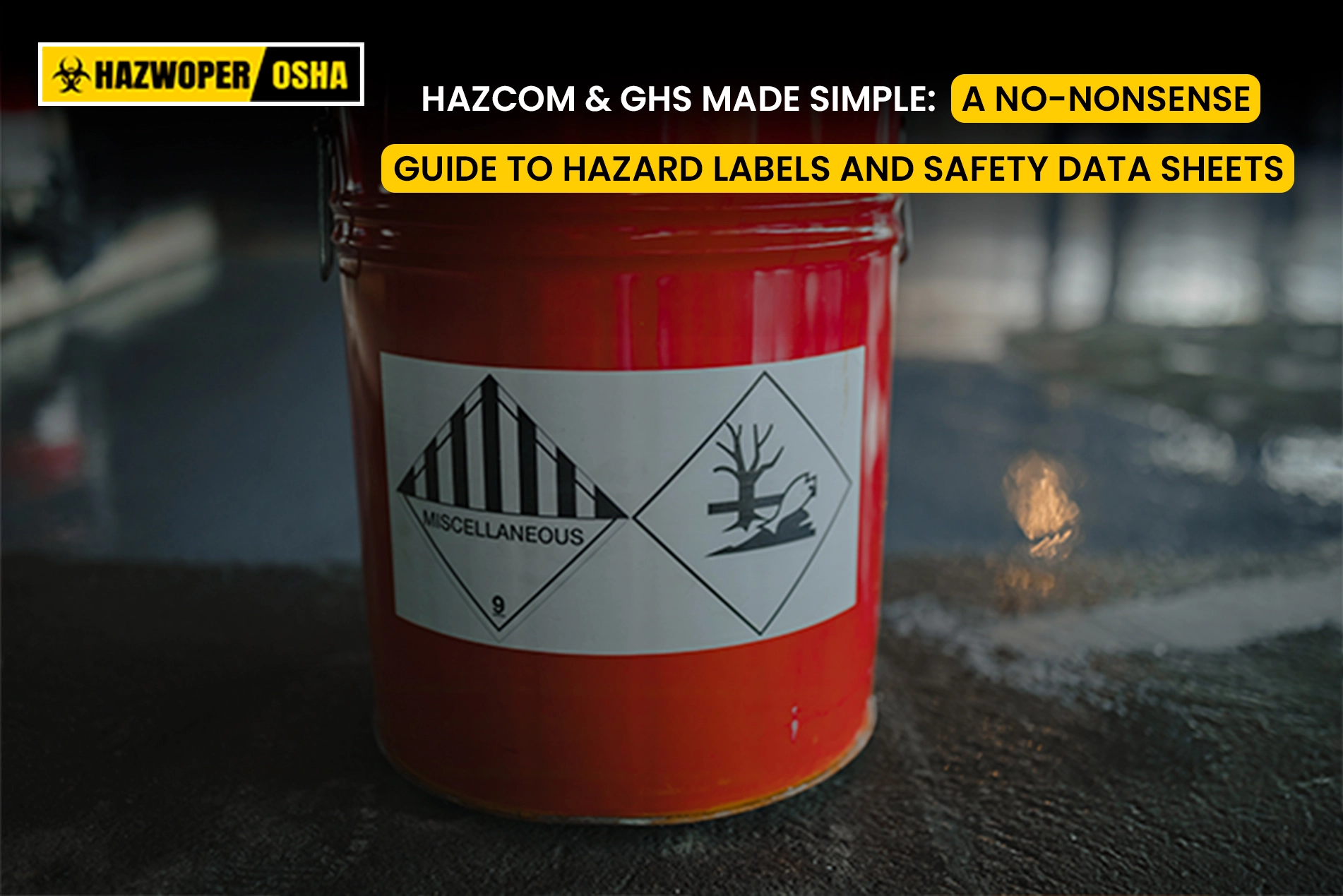
| Course Name | Enrolled On | Status | Certificate |
|---|

Heat Stress Is
Slowing Your
Team Down
More Than
Realize!Download the Free Heat Stress Prevention Guide.
(Includes a 5-Point Heat Stress Risk Checklist)
Subscribe to our
mailing list today and
receive 2 Surprises!
10% DISCOUNT
FREE FATIGUE MANAGEMENT GUIDE (Includes a 5-Point Audit Checklist to uncover risks in shift work and high-risk roles.)
Share your email to get the FREE GUIDE
Choose how you'd like to get help today
Get instant answers about courses, pricing, certifications, and personalized training recommendations.
Connect with a live support agent for complex questions, bulk orders, or account assistance.