 English and
 Español. After purchase, use the language toggle in your course Player to switch between English and Spanish at any time.

 EN |
EN |  ES
ES






.jpg)










































OSHA Forklift Safety Training: Ensuring Safe Operations in the Workplace
Operating a forklift might seem routine, but it’s one of the most hazardous activities in industrial and warehouse environments. Every year, thousands of workplace accidents are linked to improper forklift operation — most of which could be prevented with the right training.
That’s where OSHA Forklift Safety Training comes in — ensuring that operators have the knowledge and skills to perform their duties safely and efficiently.
Why Forklift Safety Matters
Forklifts are powerful machines designed to lift and transport heavy materials. However, when misused, they can cause severe injuries, property damage, and even fatalities.
According to OSHA, improper training and unsafe practices are the leading causes of forklift accidents in the U.S.
Proper forklift safety training helps:
-
Prevent accidents and injuries
-
Protect workers and property
-
Improve operational efficiency
-
Ensure compliance with OSHA regulations
Understanding OSHA Forklift Standards
OSHA’s 29 CFR 1910.178 outlines the safety requirements for powered industrial trucks, including forklifts.
The regulation mandates that only trained and certified operators are permitted to use forklifts in the workplace.
Employers are responsible for ensuring that each operator has received proper training and evaluation before being allowed to operate a forklift independently.
What Does OSHA Forklift Training Include?
Comprehensive training programs include both theoretical learning and hands-on practical evaluation.
Key topics include:
-
Operating instructions, warnings, and precautions
-
Load handling and stability
-
Vehicle inspection and maintenance
-
Safe driving techniques
-
Workplace-specific hazards
-
Refueling and battery charging procedures
Upon successful completion, operators receive a Forklift Operator Certification valid for three years.
Who Needs Forklift Safety Training?
Anyone who operates a powered industrial truck — including sit-down forklifts, pallet jacks, reach trucks, or order pickers — must complete OSHA-compliant forklift safety training.
Supervisors overseeing forklift operations should also be aware of OSHA regulations to maintain compliance.
Benefits of OSHA Forklift Safety Training
-
Reduced Workplace Accidents: Trained operators are less likely to cause injuries or damage.
-
Regulatory Compliance: Meets OSHA requirements and avoids costly violations.
-
Improved Efficiency: Skilled operators handle loads safely and quickly.
-
Better Equipment Care: Trained workers understand proper maintenance and inspection routines.
-
Enhanced Workplace Morale: A safe environment builds confidence among employees.
Refresher Training and Certification Renewal
Forklift certification is valid for three years, but refresher training is required sooner if:
-
The operator is involved in an accident or near-miss
-
The operator is observed operating unsafely
-
The workplace introduces new equipment or conditions
This ensures operators remain up to date with safety practices and regulations.
Conclusion
Forklift safety isn’t just about compliance — it’s about saving lives. OSHA Forklift Safety Training empowers operators with the right knowledge and techniques to handle equipment safely and confidently.
Investing in training not only fulfills legal obligations but also creates a culture of safety and responsibility in the workplace.
Frequently Asked Questions
HAZWOPER stands for Hazardous Waste Operations and Emergency Response. It refers to OSHA’s set of regulations designed to protect workers who handle or are exposed to hazardous substances.
Any worker involved in cleaning up hazardous waste sites, emergency response to chemical spills, or operations at treatment, storage, and disposal facilities must complete HAZWOPER training.
24-hour training is for workers who visit or occasionally work at hazardous sites but are not directly involved in cleanup activities.
40-hour training is for workers and supervisors who regularly handle or clean up hazardous materials.
Workers must complete an 8-hour HAZWOPER Refresher Course every year to maintain their certification and stay updated on safety procedures.
Yes, many OSHA-authorized training providers offer online HAZWOPER courses that meet federal requirements. However, hands-on training may still be required depending on the job role.
Training includes:
-
Hazard recognition and chemical exposure risks
-
Use of personal protective equipment (PPE)
-
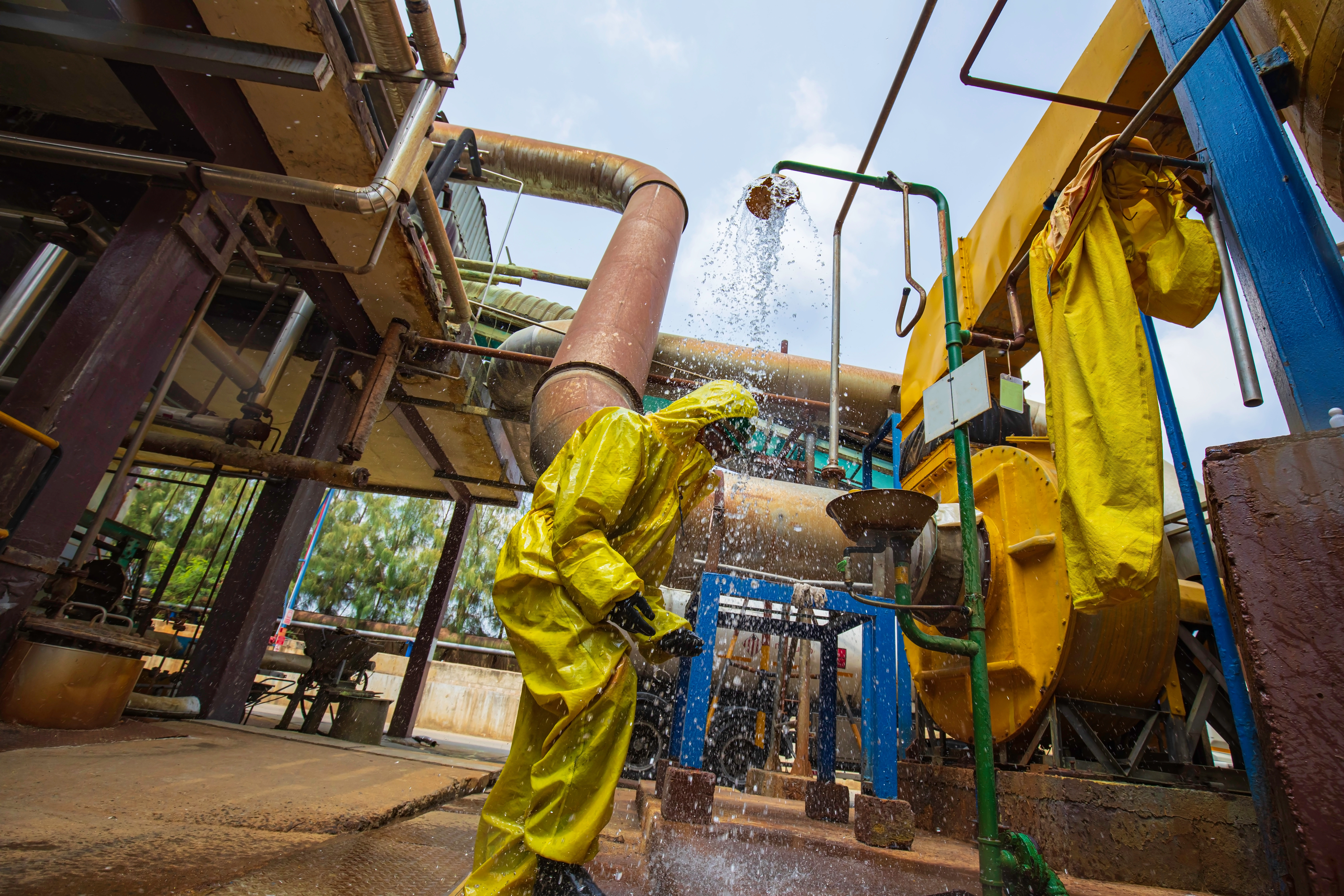
Decontamination procedures
-
Emergency response planning
-
Air monitoring and confined space entry